
Introduction
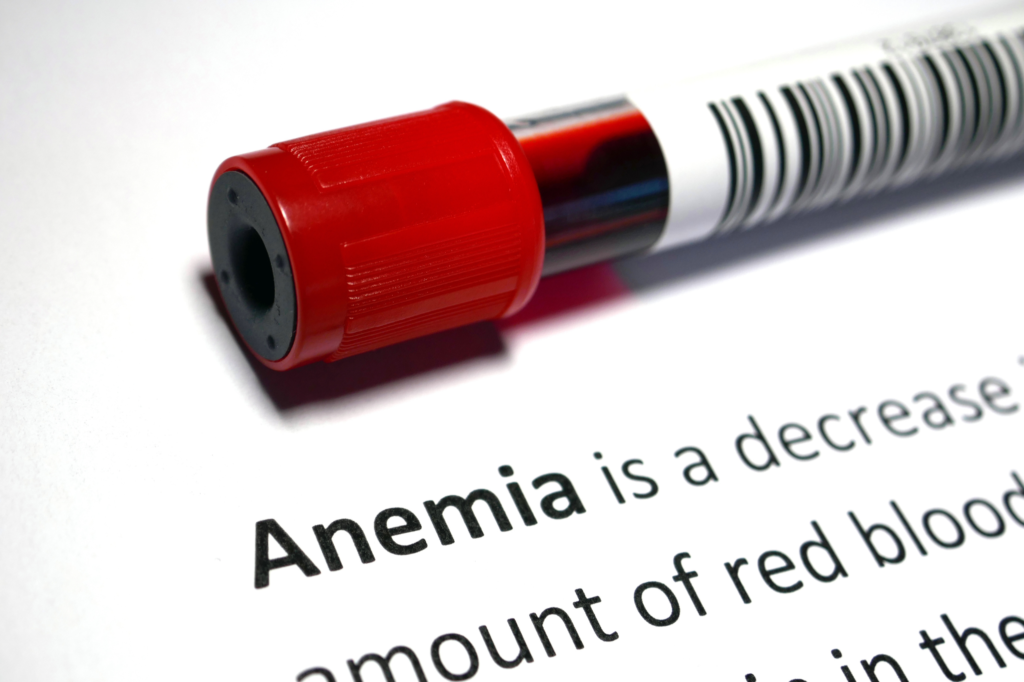
Anaemia is one of the most common health conditions affecting millions of people worldwide. It occurs when the body does not have enough healthy red blood cells or sufficient haemoglobin to carry oxygen properly. As a result, people often experience weakness, tiredness, dizziness, and poor concentration.
Modern healthcare focuses on identifying the exact cause of anaemia through laboratory investigations and medical evaluation. Along with nutritional support and medical treatment, many people also explore holistic approaches like homoeopathy for supportive care and overall wellness.
This blog explains the causes, symptoms, types, diagnosis, complications, and homoeopathic management of anaemia in a simple and easy-to-understand manner.
What is Anaemia?
Anaemia is a condition in which:
- The number of red blood cells (RBCs) becomes low
- Haemoglobin levels decrease
- Oxygen supply to body tissues reduces
Haemoglobin is important because it carries oxygen from the lungs to the rest of the body. When haemoglobin levels fall, the body may not function properly.
Anaemia can affect:
- Children
- Pregnant women
- Teenagers
- Elderly individuals
- People with chronic diseases
Epidemiology of Anaemia
Anaemia is a major global public health concern.
Important Facts:
- More than 30% of the world’s population is affected
- Iron deficiency is the most common cause
- Women and children are more commonly affected
- South-East Asia and Africa have higher prevalence rates
Poor nutrition, chronic infections, heavy menstrual bleeding, and pregnancy are major contributing factors.
Causes of Anaemia
Anaemia can develop due to several reasons.
Nutritional Deficiencies
Iron Deficiency
The most common cause of anaemia.
It may occur due to:
- Poor diet
- Blood loss
- Pregnancy
- Poor iron absorption
Vitamin Deficiency
Lack of:
- Vitamin B12
- Folic acid
can reduce healthy red blood cell production.
Blood Loss
Acute or Chronic Bleeding
Blood loss may occur due to:
- Heavy menstruation
- Stomach ulcers
- Haemorrhoids
- Injuries
- Gastrointestinal disorders
Reduced Red Blood Cell Production
Certain chronic diseases can interfere with blood formation.
Examples include:
- Kidney disease
- Cancer
- HIV/AIDS
- Rheumatoid arthritis
- Crohn’s disease
Bone Marrow Disorders
Diseases such as:
- Leukaemia
- Aplastic anaemia
may affect bone marrow function.
Increased Red Blood Cell Destruction
This is called haemolytic anaemia.
It occurs when RBCs are destroyed faster than they are produced.
Genetic Disorders
Inherited conditions include:
- Thalassemia
- Sickle cell anaemia
These affect haemoglobin formation.
Symptoms of Anaemia
Anaemia symptoms can vary depending on severity.
Common Symptoms
- Fatigue
- Weakness
- Pale skin
- Dizziness
- Shortness of breath
- Rapid heartbeat
- Cold hands and feet
- Headache
- Poor concentration
Other Signs
- Brittle nails
- Hair loss
- Sore tongue
- Craving for ice, clay, or dirt (Pica)
Risk Factors for Anaemia
Some individuals are more prone to developing anaemia.
Common Risk Factors
- Poor nutrition
- Pregnancy
- Heavy menstruation
- Chronic illness
- Old age
- Childhood growth periods
- Genetic blood disorders

Types of Anaemia and Homoeopathic Management
1. Iron Deficiency Anaemia (IDA)
The most common type caused by low iron levels.
Common Causes
- Poor diet
- Pregnancy
- Blood loss
- Hookworm infection
Common Homoeopathic Remedies
- Ferrum Phosphoricum
- Ferrum Metallicum
2. Megaloblastic Anaemia
Caused by Vitamin B12 or folic acid deficiency.
Homoeopathic Remedies
- Ferrum Metallicum
- Phosphorus
3. Pernicious Anaemia
An autoimmune condition affecting Vitamin B12 absorption.
Homoeopathic Remedies
- Arsenicum Album
- Phosphorus
4. Haemolytic Anaemia
Occurs due to rapid destruction of red blood cells.
Homoeopathic Remedies
- Hamamelis Virginica
- Lachesis
5. Aplastic Anaemia
A serious condition where bone marrow fails to produce blood cells.
Homoeopathic Remedies
- Calcarea Phosphorica
- Lecithin
6. Thalassemia
A hereditary blood disorder affecting haemoglobin production.
Homoeopathic Remedies
- Antipyrinum
- Butyricum Acidum
- Ceanothus Americanus
7. Sickle Cell Anaemia
An inherited condition causing sickle-shaped red blood cells.
Homoeopathic Remedies
- Ferrum Phosphoricum
- Carica Papaya
8. Anaemia of Chronic Disease
Associated with long-term illnesses.
Homoeopathic Remedies
- Ferrum Phosphoricum
- Sepia
- Natrum Muriaticum
Common Medical Treatments for Anaemia
Treatment depends on the underlying cause.
Standard Treatments Include
- Iron supplements
- Vitamin B12 supplements
- Folic acid supplementation
- Dietary improvement
- Blood transfusion in severe cases
Medical evaluation is important before starting any treatment.
Complications of Anaemia
Untreated anaemia may lead to serious health problems.
Heart Problems
- Rapid heartbeat
- Enlarged heart
- Heart failure
Pregnancy Complications
- Premature birth
- Low birth weight
- Increased maternal risk
Cognitive Problems
- Poor memory
- Difficulty concentrating
- Mental fatigue
Developmental Delays in Children
Chronic anaemia can affect growth and learning.
Weak Immunity
Anaemia may increase the risk of infections.
Organ Damage
Long-term oxygen deficiency can harm organs like:
- Kidneys
- Liver
- Spleen
Laboratory Investigations for Anaemia
Proper diagnosis is essential.
Complete Blood Count (CBC)
Measures:
- Haemoglobin
- RBC count
- Haematocrit
Mean Corpuscular Volume (MCV)
Helps classify anaemia into:
- Microcytic
- Normocytic
- Macrocytic
Reticulocyte Count
Evaluates bone marrow response.
Peripheral Blood Smear
Checks shape and size of red blood cells.
Further Diagnostic Tests
Additional tests may include:
- Iron studies
- Serum ferritin
- Vitamin B12 levels
- Folate levels
- Haemoglobin electrophoresis
- Bone marrow examination
Investigating Underlying Causes
Doctors may recommend:
- Endoscopy
- Colonoscopy
- Ultrasound
- CT scan
to identify internal bleeding or other disorders.
Role of Homoeopathy in Anaemia Management
Homoeopathy follows a holistic and individualized approach.
The goal is to:
- Support overall health
- Improve vitality
- Address nutritional imbalance
- Enhance recovery
- Improve well-being
A qualified homoeopathic physician evaluates:
- Physical symptoms
- Mental state
- Lifestyle
- Medical history
- Constitutional factors
Homoeopathy may be used as supportive care alongside conventional medical treatment under professional guidance.
Lifestyle and Dietary Tips for Anaemia
Iron-Rich Foods
Include:
- Green leafy vegetables
- Beetroot
- Pomegranate
- Dates
- Lentils
- Beans
- Nuts
Vitamin B12 Sources
- Milk
- Eggs
- Fish
- Dairy products
Folate-Rich Foods
- Citrus fruits
- Spinach
- Broccoli
Healthy Lifestyle Tips
- Sleep adequately
- Exercise regularly
- Stay hydrated
- Avoid excessive junk food
- Manage stress

Conclusion
Anaemia is a common but manageable health condition. Early diagnosis, proper nutrition, medical treatment, and healthy lifestyle changes play a major role in recovery.
Homoeopathy offers a holistic and individualized supportive approach aimed at improving general well-being and addressing the person as a whole. However, proper medical evaluation and laboratory investigations are essential for identifying the exact cause of anaemia and preventing complications.
Timely care and awareness can help individuals lead a healthier and more energetic life.
Key Takeaways
- Anaemia occurs due to low haemoglobin or reduced red blood cells.
- Iron deficiency is the most common cause of anaemia– worldwide.
- Symptoms include fatigue, weakness, pale skin, dizziness, and breathlessness.
- Proper diagnosis through laboratory tests is essential for treatment.
- Homoeopathy follows an individualized and holistic approach for supportive care.
- Healthy diet, supplements, and lifestyle changes are important for recovery.