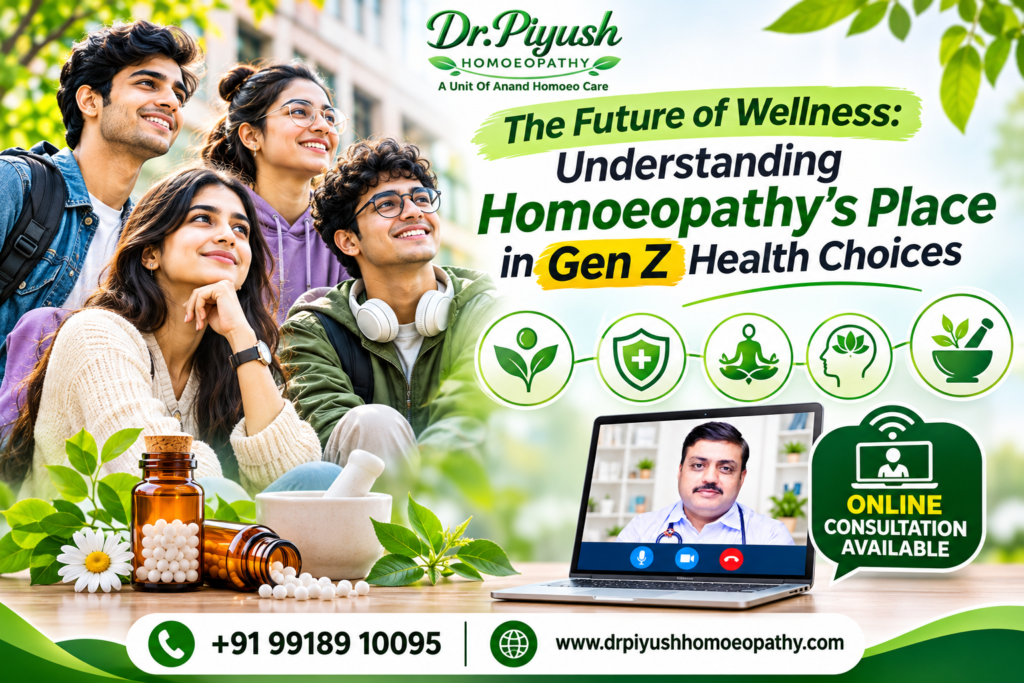
Generation Z, commonly known as Gen Z, is changing the way people think about health and wellness. Born roughly between the late 1990s and early 2010s, this generation is more connected, informed and interested in understanding different approaches to health.
From mental well-being and stress management to nutrition and lifestyle habits, young people are exploring ways to take better care of themselves. Many are also curious about traditional systems of medicine, including homoeopathy.
But what makes homoeopathy interesting to Gen Z? How does its personalised approach fit into modern wellness choices? And how can young people make informed decisions about it?
Let’s explore the connection between homoeopathy, holistic wellness and Gen Z health choices.
Understanding Homoeopathy: A Traditional System of Medicine
Homoeopathy is a system of medicine developed by German physician Dr. Samuel Hahnemann in the late 18th century.
It is based on traditional principles that guide how homoeopathic practitioners understand symptoms and select remedies.
The Three Traditional Principles of Homoeopathy
1. Law of Similars
This principle is commonly described as “like cures like.” It suggests that a substance capable of producing certain symptoms in a healthy person may be used in a highly diluted form to address similar symptoms in an ill person.
2. Potentisation
Potentisation is a traditional preparation process involving repeated dilution and shaking, known as succussion. Homoeopathic preparations can vary greatly in their dilution levels.
3. Individualised Approach
Homoeopathic consultations traditionally consider a person’s symptoms, health history, lifestyle and emotional experiences. This approach focuses on understanding the individual rather than looking only at a single complaint.
These principles are part of homoeopathic philosophy. However, they should not be confused with established scientific explanations of how the body heals. Reliable scientific evidence has not established homoeopathy as an effective treatment for specific health conditions.

Why Is Gen Z Interested in Homoeopathy?
Gen Z has grown up in a world of digital information, changing lifestyles and increasing conversations about health.
Several factors may explain why some young people explore traditional and complementary healthcare approaches.
A. Interest in Personalised Healthcare
Young people increasingly want to understand their health needs and participate in healthcare decisions.
A traditional homoeopathic consultation may involve discussing:
- Personal health history.
- Current symptoms and their duration.
- Daily routine and lifestyle.
- Sleep and dietary habits.
- Emotional and psychological concerns.
- Previous treatments and relevant medical history.
This detailed conversation can help patients feel heard and involved in their healthcare decisions.
However, personalised attention is valuable across healthcare systems. It does not establish that homoeopathic remedies are more effective than evidence-based treatments.
B. Preference for Natural and Traditional Wellness
Many Gen Z individuals are interested in plant-based products, traditional practices and environmentally conscious lifestyles.
Homoeopathy attracts curiosity because its preparations may originate from plant, mineral or animal sources.
However, natural origin does not automatically mean that a product is safe or effective. Some homoeopathic products may contain measurable ingredients, and poor-quality products can present risks.
Young people should check product information and seek qualified healthcare guidance before using any treatment.
C. Desire for Greater Control Over Health Decisions
Gen Z values independence, information and personal choice.
Many young people research their symptoms, compare healthcare options and look for ways to improve their daily routines.
A responsible homoeopathy clinic should encourage patients to:
- Understand their health concerns.
- Ask questions about available treatment options.
- Discuss the benefits and limitations of different approaches.
- Avoid self-medication.
- Seek medical assessment when necessary.
Informed decisions are an important part of long-term health and wellness.
Gen Z, Stress and Mental Health
Mental well-being is an important part of the Gen Z health conversation.
Academic pressure, career uncertainty, financial concerns, social media comparisons, relationship challenges and lack of sleep can affect emotional health.
Some common concerns include:
- Stress and emotional exhaustion.
- Anxiety and excessive worrying.
- Difficulty sleeping.
- Low mood and loss of interest.
- Lack of concentration.
- Feeling overwhelmed by daily responsibilities.
Can Homoeopathy Help with Mental Health?
Homoeopathy is traditionally used by some practitioners for complaints involving stress, anxiety and emotional discomfort. Remedies such as Aconitum napellus and Ignatia amara appear in traditional homoeopathic literature.
However, these traditional uses do not prove that the remedies are effective for mental health conditions. Current reliable evidence does not establish homoeopathy as an effective treatment for anxiety disorders or depression.
Young people experiencing persistent anxiety, depression or emotional distress should consult a qualified mental health professional. Evidence-based options may include psychological therapies, such as cognitive behavioural therapy (CBT), and medication when clinically appropriate.
Homoeopathy should never replace professional mental healthcare or delay urgent support.

The Importance of Holistic Wellness for Gen Z
Wellness is not limited to treating illness. It also involves developing healthy habits that support physical and emotional well-being.
A balanced lifestyle can help young people manage everyday challenges and improve their overall quality of life.
Important Wellness Habits for Gen Z
1. Maintain a Balanced Diet
Choose nutritious meals that include fruits, vegetables, whole grains, proteins and healthy fats.
2. Follow a Regular Sleep Schedule
Adequate sleep supports concentration, mood and general health. Try to maintain consistent sleeping and waking times.
3. Stay Physically Active
Walking, cycling, yoga, sports and other enjoyable activities can support physical fitness and emotional well-being.
4. Manage Screen Time
Long hours on digital devices can affect sleep, concentration and daily routines. Take regular breaks and avoid excessive screen use before bedtime.
5. Make Time for Mental Well-being
Relaxation, hobbies, social connections and professional support when needed can help maintain emotional health.
These habits are useful whether or not someone chooses to explore traditional systems such as homoeopathy.
Personalised Homoeopathic Consultation: What Can Young People Expect?
A professional homoeopathic consultation generally involves a detailed discussion about the patient’s health concerns and medical history.
During a consultation, a qualified practitioner may ask about:
- The main health complaint.
- When the symptoms started.
- Factors that improve or worsen the symptoms.
- Previous illnesses and treatments.
- Lifestyle and daily routine.
- Relevant emotional and general health concerns.
The practitioner may use this information to understand the patient’s overall health picture and discuss appropriate care options.
A responsible homoeopathic doctor should also recognise when a condition requires medical investigations, specialist assessment or evidence-based treatment.
Patients should feel comfortable asking about the scientific evidence, possible risks, treatment limitations and available alternatives.

How Can Gen Z Explore Homoeopathy Responsibly?
Curiosity about different healthcare systems should be supported by accurate information and professional guidance.
Here are some practical steps for young people who want to understand homoeopathy.
A. Learn Before Making Healthcare Decisions
Read reliable health information and understand the traditional principles of homoeopathy. Do not depend only on social media posts or personal testimonials.
B. Consult a Qualified Practitioner
If you are considering a homoeopathic consultation, choose a properly qualified practitioner and discuss your existing medical conditions and treatments.
C. Avoid Self-Prescribing Remedies
Do not select remedies based on online lists, influencer recommendations or advice from unqualified individuals.
D. Do Not Stop Existing Medication
Never discontinue prescribed medication or delay necessary medical care because of homoeopathic treatment.
E. Understand the Role of Scientific Research
Homoeopathy has not been shown to be reliably effective for treating or preventing specific diseases. Be cautious of claims promising guaranteed results or permanent cures.
The Role of Homoeopathic Clinics and Educational Institutions
Healthcare institutions have an important role in creating awareness and encouraging responsible health choices among young people.
A professional homoeopathy clinic, homoeopathic medical college or healthcare organisation can contribute through education, awareness programmes and patient guidance.
Some useful initiatives include:
Health Awareness Workshops
Organise sessions on stress management, healthy eating, sleep habits, digital wellness and preventive healthcare.
Educational Webinars
Invite qualified doctors and healthcare professionals to discuss common health concerns and answer questions from young people.
Digital Health Awareness
Use social media platforms to share simple, informative content about health, lifestyle and responsible treatment choices.
Community Health Programmes
Conduct health awareness activities, wellness sessions and educational camps that encourage young people to seek appropriate professional guidance.
Collaboration with Healthcare Professionals
Encourage respectful collaboration between different healthcare professionals so that patients understand their options and receive appropriate care.
The focus should remain on accurate information, patient safety and evidence-based healthcare.
Research and Evidence: Making Informed Choices About Homoeopathy
Gen Z has access to more health information than any previous generation. However, not all online information is accurate or scientifically supported.
It is important to understand the difference between traditional beliefs, personal experiences and scientific evidence.
Although many people share positive experiences with homoeopathy, testimonials alone cannot establish that a treatment works.
Major scientific health organisations have reported that there is no reliable evidence supporting homoeopathy as an effective treatment for health conditions.
Before choosing any healthcare approach, consider:
- Is there reliable scientific evidence supporting the treatment?
- Are the possible risks clearly explained?
- Is the practitioner appropriately qualified?
- Are necessary medical tests and treatments being considered?
- Could the treatment delay effective medical care?
A trustworthy healthcare professional should welcome these questions and provide honest information.
The Future of Wellness: Tradition, Technology and Informed Choices
The future of wellness will involve more than choosing one system of medicine over another.
Young people need healthcare that is accessible, understandable, safe and supported by reliable information.
Technology, online consultations, digital health education and personalised communication are changing how people access healthcare services.
For homoeopathic healthcare providers, this creates an opportunity to:
- Improve public awareness about traditional homoeopathic principles.
- Share accurate information about treatment limitations.
- Encourage responsible patient consultations.
- Support preventive health education.
- Build trust through transparency and ethical communication.
- Work alongside other healthcare professionals when appropriate.
The future of healthcare should be built on patient safety, scientific understanding and informed decision-making.
Key Takeaways
- Gen Z is increasingly interested in personalised healthcare, mental well-being and healthier lifestyle choices.
- Homoeopathy is a traditional system of medicine based on the principles of similars, potentisation and individualisation.
- A detailed consultation can help patients discuss their health concerns, but it does not prove that homoeopathic remedies are effective.
- Homoeopathy has not been established as an effective treatment or preventive method for specific diseases.
- Healthy eating, regular exercise, adequate sleep and professional mental health support are important parts of overall wellness.
- Responsible healthcare decisions should always be guided by reliable evidence, qualified professionals and patient safety.
Conclusion
Gen Z is shaping a new conversation about health and wellness. Young people want to understand their bodies, make informed decisions and explore healthcare approaches that reflect their individual needs.
Homoeopathy remains a traditional system of medicine that attracts interest among some individuals. However, curiosity should always be balanced with scientific understanding and responsible healthcare choices.
For healthcare organisations and homoeopathy clinics, the opportunity lies in educating young people, listening to their concerns and promoting transparent, patient-centred communication.
At Dr. Piyush Homoeopathy, we believe that awareness, informed choices and responsible professional guidance are important steps towards better health and well-being.
Your health. Your choices. Make them informed.