
Introduction
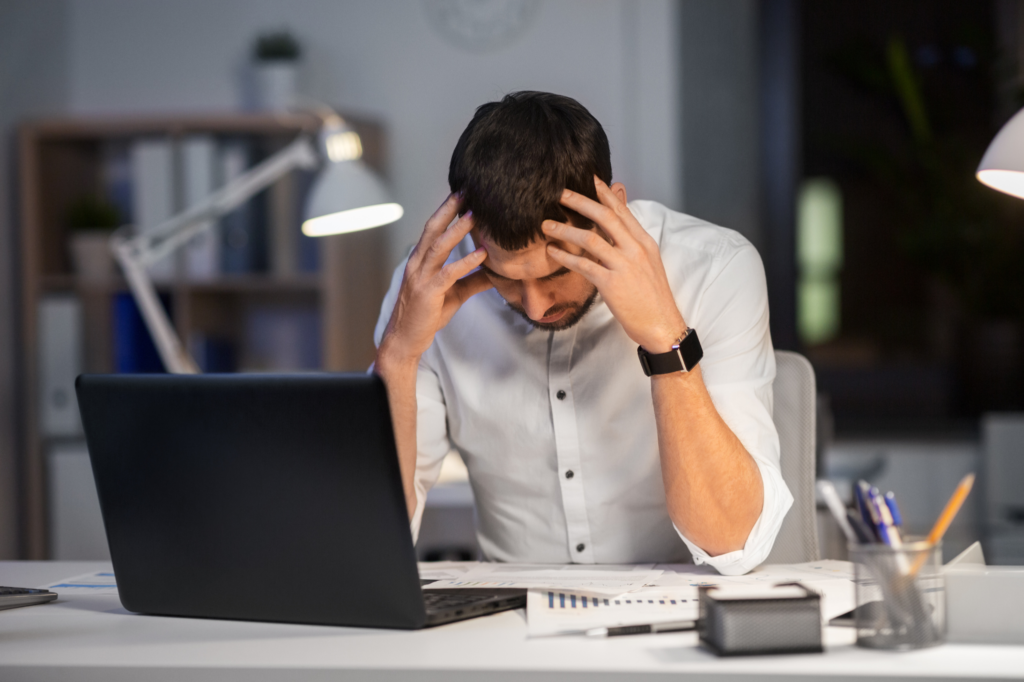
In today’s fast-moving world, stress has become a part of everyday life. Work pressure, family responsibilities, financial concerns, health issues, and social expectations can all create stress. While a small amount of stress can help us stay alert and motivated, long-term stress can seriously affect both physical and mental health.
Many modern diseases are linked to stress. Headaches, digestive problems, sleep disorders, anxiety, depression, high blood pressure, and weakened immunity often have stress as an underlying factor. In homoeopathic treatment, understanding stress and its impact on the individual is an essential part of healing.
At a homoeopathic clinic, physicians focus on treating the whole person, not just the disease. This approach helps identify emotional causes that may be affecting overall health and well-being.
Understanding Homeostasis: The Body’s Natural Balance
What is Homeostasis?
Homeostasis is the body’s natural ability to maintain internal balance. It keeps important functions such as:
- Body temperature
- Blood pressure
- Hormonal balance
- Blood sugar levels
- Fluid balance
- Immune responses
working within healthy limits.
When homeostasis is disturbed, the body becomes vulnerable to illness.
According to the principles of holistic homoeopathy, health depends on maintaining this internal balance.
What is Stress?
Stress is the body’s response to physical, emotional, or environmental challenges.
It can occur due to:
- Emotional problems
- Work-related pressure
- Financial difficulties
- Relationship conflicts
- Illness or injury
- Major life changes
When stress becomes excessive or long-lasting, it begins to affect normal body functions.
According to classical homoeopathy, prolonged emotional stress can disturb the body’s vital force, leading to disease.
How Stress Affects the Body
Stress triggers the release of hormones such as:
- Cortisol
- Adrenaline
- Noradrenaline
These hormones prepare the body to deal with danger. However, when stress continues for a long time, it can cause serious health problems.
Physical Effects of Stress
Long-term stress may lead to:
- High blood pressure
- Digestive disorders
- Chronic fatigue
- Muscle tension
- Frequent headaches
- Sleep disturbances
- Weakened immunity
- Weight gain or weight loss
- Heart disease
Many patients seeking natural stress relief often report these symptoms.
Mental and Emotional Effects of Stress
Stress can also affect emotional well-being.
Common symptoms include:
- Anxiety
- Irritability
- Mood swings
- Depression
- Poor concentration
- Memory problems
- Lack of motivation
- Feelings of hopelessness
This is where individualized homoeopathic treatment becomes important, as emotional symptoms are considered along with physical complaints.
Common Stressors in Daily Life
Stressors are situations or conditions that trigger stress.
Physical Stressors
- Injury
- Illness
- Chronic pain
- Lack of sleep
- Extreme temperatures
Emotional Stressors
- Grief
- Fear
- Relationship problems
- Loneliness
- Emotional trauma
Social and Environmental Stressors
- Work pressure
- Financial difficulties
- Family responsibilities
- Academic pressure
- Social expectations
A trusted homoeopathic doctor carefully evaluates these factors during consultation.
Warning Signs of Stress
Recognizing stress early can help prevent serious health problems.
Physical Signs
- Dizziness
- Headaches
- Jaw clenching
- Rapid heartbeat
- Sweating
- Digestive issues
- Fatigue
- Trembling
- Sleep problems
Mental Signs
- Constant worrying
- Poor concentration
- Forgetfulness
- Difficulty making decisions
- Negative thinking
Emotional Signs
- Anxiety
- Depression
- Anger
- Irritability
- Frequent crying
- Mood swings
Behavioural Signs
- Social withdrawal
- Increased alcohol consumption
- Smoking
- Aggressive behavior
- Reduced productivity
The Homoeopathic Perspective on Stress
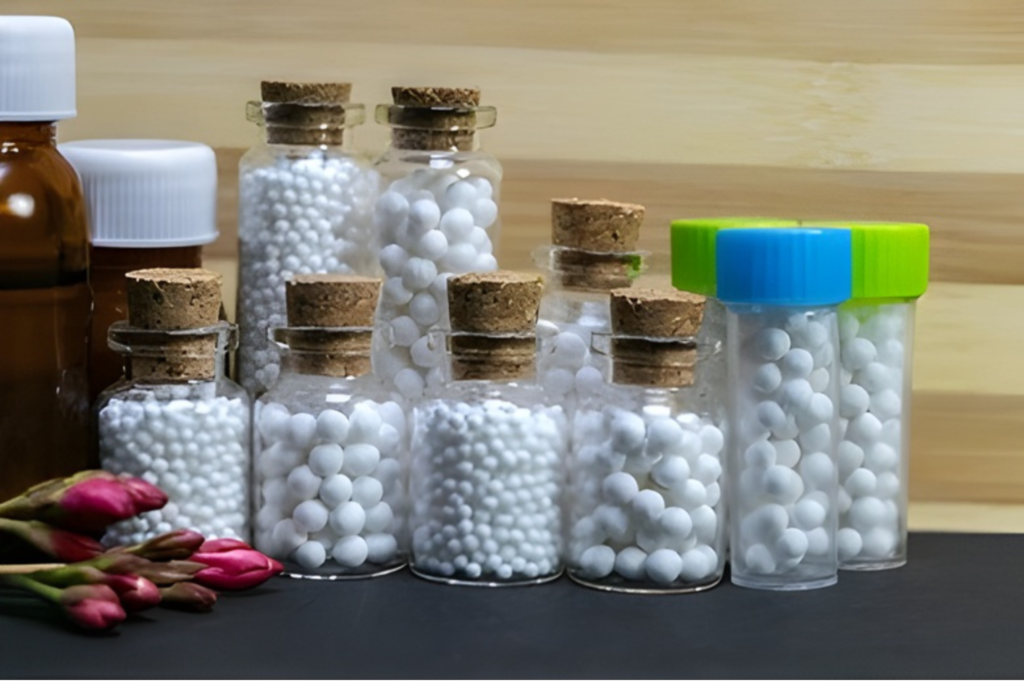
Homoeopathy views stress as more than a psychological problem. It considers stress as a disturbance affecting the entire individual.
In homoeopathic medicine, treatment is based on:
- Emotional symptoms
- Mental state
- Physical complaints
- Personality traits
- Life circumstances
This patient-centered approach makes homoeopathic care unique.
The goal is to restore balance naturally and improve the body’s ability to cope with stress.
Common Homoeopathic Medicines Used in Stress-Related Conditions
Important Note: Homoeopathic remedies should always be selected by a qualified homoeopathic practitioner after a detailed case evaluation.
Nux Vomica
Often considered for:
- Work-related stress
- Irritability
- Overwork
- Digestive disturbances
Natrum Muriaticum
Often associated with:
- Silent grief
- Emotional disappointment
- Introverted personalities
Ignatia Amara
Frequently considered after:
- Emotional shock
- Loss
- Sudden grief
Staphysagria
Often indicated for:
- Suppressed anger
- Emotional hurt
- Humiliation
Arsenicum Album
Commonly associated with:
- Anxiety
- Restlessness
- Fear about health
Sepia
Often considered in:
- Emotional exhaustion
- Hormonal stress
- Family-related burden
These remedies are selected through constitutional homoeopathy, where the individual’s overall symptom picture is evaluated.
Effective Ways to Manage Stress Naturally
Along with homoeopathic wellness care, lifestyle changes can greatly improve stress management.
Healthy Diet
Choose:
- Fresh fruits
- Vegetables
- Whole grains
- Nuts and seeds
- Adequate water intake
Limit:
- Excess sugar
- Processed foods
- Excess caffeine
- Alcohol
Regular Exercise
Physical activity helps:
- Reduce stress hormones
- Improve mood
- Boost energy levels
- Improve sleep quality
Even 30 minutes of daily walking can help.
Deep Breathing Exercises
Slow breathing can:
- Relax muscles
- Reduce anxiety
- Improve focus
- Lower stress levels
Meditation and Relaxation
Practices such as:
- Meditation
- Mindfulness
- Yoga
- Guided imagery
can help calm the mind and support emotional balance.
Adequate Sleep
Good sleep is essential for:
- Mental clarity
- Emotional stability
- Immune function
- Hormonal balance
Aim for 7–8 hours of quality sleep every night.
Build Healthy Relationships
Strong social support can reduce emotional stress.
Spend time with:
- Family
- Friends
- Support groups
Meaningful connections improve emotional resilience.
Why Homoeopathic Counseling Matters
At a trusted homoeopathic clinic, counseling is often an important part of treatment.
Patients are guided to:
- Identify stress triggers
- Develop coping skills
- Improve emotional awareness
- Build healthier habits
This combination of holistic healing, lifestyle management, and homoeopathic consultation can support long-term wellness.
When Should You Seek Professional Help?
Consult a healthcare professional if stress causes:
- Persistent anxiety
- Depression
- Panic attacks
- Severe sleep problems
- Physical symptoms affecting daily life
- Loss of interest in normal activities
Early intervention often prevents more serious health complications.
Conclusion
Stress is often called the “mother of many diseases” because it affects nearly every system of the body. When stress becomes chronic, it can disturb the body’s natural balance and contribute to numerous physical and emotional health problems.
Homoeopathy recognizes the close relationship between the mind and body. Through personalized homoeopathic treatment, careful case-taking, and holistic management, patients can receive support that addresses both emotional and physical aspects of health.
A trusted homoeopathic doctor focuses on understanding the individual behind the symptoms and helping restore balance naturally. Combined with healthy lifestyle choices, emotional support, and stress management techniques, homoeopathy can play an important role in promoting long-term wellness.
Key Takeaways
- Stress is one of the leading causes of many physical and emotional health problems.
- Long-term stress can disturb the body’s natural balance, known as homeostasis.
- Common signs of stress include fatigue, anxiety, headaches, sleep problems, and mood changes.
- Homoeopathy focuses on treating the individual as a whole rather than just the disease.
- Lifestyle changes such as exercise, healthy eating, meditation, and proper sleep help reduce stress.
- A personalized approach through homoeopathic treatment can support emotional and physical well-being.