Introduction
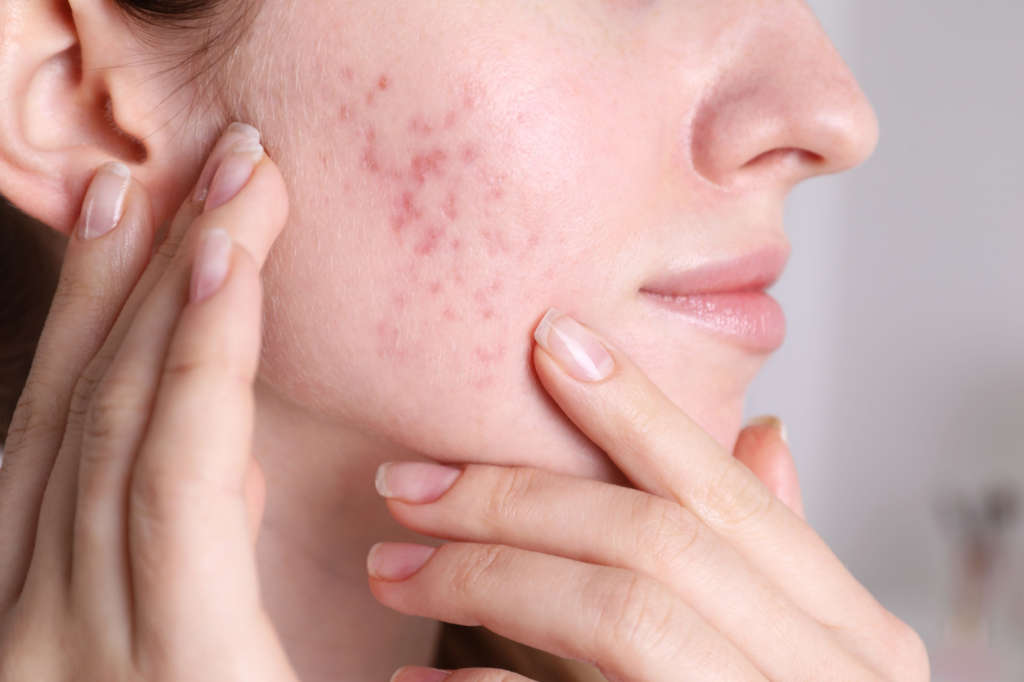
Acne is one of the most common skin conditions affecting teenagers and young adults. Studies show that more than 70% of young people experience acne at some stage of life. While acne is not usually a serious health problem, it can affect self-confidence, emotional well-being, and quality of life.
Acne commonly appears on the face, chest, shoulders, and upper back. If left untreated, it may lead to scars, skin discoloration, and emotional distress. Homoeopathy offers a holistic and individualized approach that aims to address the root cause of acne while promoting overall skin health.
At a Homoeopathic Trust, the focus is on treating the person as a whole rather than simply suppressing skin symptoms. Through individualized homoeopathic treatment, patients receive care tailored to their unique physical, emotional, and constitutional needs.
Understanding Acne
What is Acne?
Acne develops when the sebaceous (oil) glands of the skin become blocked.
These glands produce sebum, an oily substance that helps protect and moisturize the skin. When excess sebum combines with dead skin cells, the hair follicles become clogged.
This blockage can lead to:
- Blackheads
- Whiteheads
- Pimples
- Pustules
- Inflammation
- Skin infections
In severe cases, acne can result in permanent scarring and skin pits.
What Causes Acne?
Acne is a multifactorial condition. Several factors can contribute to its development.
1. Genetic Factors (Heredity)
Acne often runs in families.
If one or both parents experienced severe acne, there may be a higher chance of developing it.
2. Hormonal Changes
During puberty, the body produces increased levels of androgen hormones.
These hormones stimulate the sebaceous glands, causing excess oil production and increasing the risk of acne formation.
Hormonal fluctuations may also occur during:
- Menstruation
- Pregnancy
- Menopause
- Stress
3. Bacterial Infection
Certain bacteria naturally live within hair follicles.
When pores become blocked, these bacteria multiply and trigger inflammation, redness, and pus-filled pimples.
4. Diet and Lifestyle
Although research is ongoing, some factors may aggravate acne, including:
- High-sugar foods
- Fried foods
- Processed snacks
- Excess dairy consumption
- Stress
- Lack of sleep
A healthy lifestyle is an important part of natural skin care through homoeopathy.
Common Symptoms of Acne
Acne symptoms can vary from mild to severe.
Common signs include:
- Blackheads
- Whiteheads
- Small red pimples
- Painful pustules
- Oily skin
- Inflamed skin lesions
- Scarring and skin pits
- Acne on face, chest, shoulders, and back
Early treatment can help reduce complications and improve skin appearance.
Acne Rosacea: A Different Type of Acne
What is Acne Rosacea?
Acne Rosacea is a chronic skin condition that commonly affects adults, especially women around menopause.
It typically appears on:
- Cheeks
- Nose
- Chin
- Forehead
Common Features
- Facial redness
- Enlarged blood vessels
- Flushing
- Acne-like eruptions
- Sensitive skin
Certain triggers may worsen rosacea, including:
- Hot beverages
- Spicy foods
- Chocolate
- Citrus fruits
- Excess sun exposure
A qualified homoeopathic physician can help identify individual triggers and provide personalized treatment.
Prevention and Self-Care Tips for Acne
Healthy skin care habits can support acne management.
Skin Care Tips
Clean Your Skin Regularly
- Wash the face gently twice daily.
- Use mild, non-irritating cleansers.
- Avoid excessive scrubbing.
Avoid Squeezing Pimples
Picking or squeezing acne can:
- Increase inflammation
- Spread infection
- Cause permanent scars
Choose Non-Greasy Cosmetics
Use products labeled:
- Oil-free
- Non-comedogenic
- Acne-friendly
Maintain Good Hair Hygiene
- Wash hair regularly.
- Keep oily hair away from the face.
Healthy Lifestyle Habits
Follow a Balanced Diet
Focus on:
- Fresh fruits
- Vegetables
- Whole grains
- Adequate water intake
Reduce:
- Excess sugar
- Fried foods
- Processed snacks
Manage Stress
Stress can worsen acne.
Helpful activities include:
- Yoga
- Meditation
- Regular exercise
- Adequate sleep
These measures complement holistic homoeopathy and support overall wellness.
The Homoeopathic Perspective on Acne
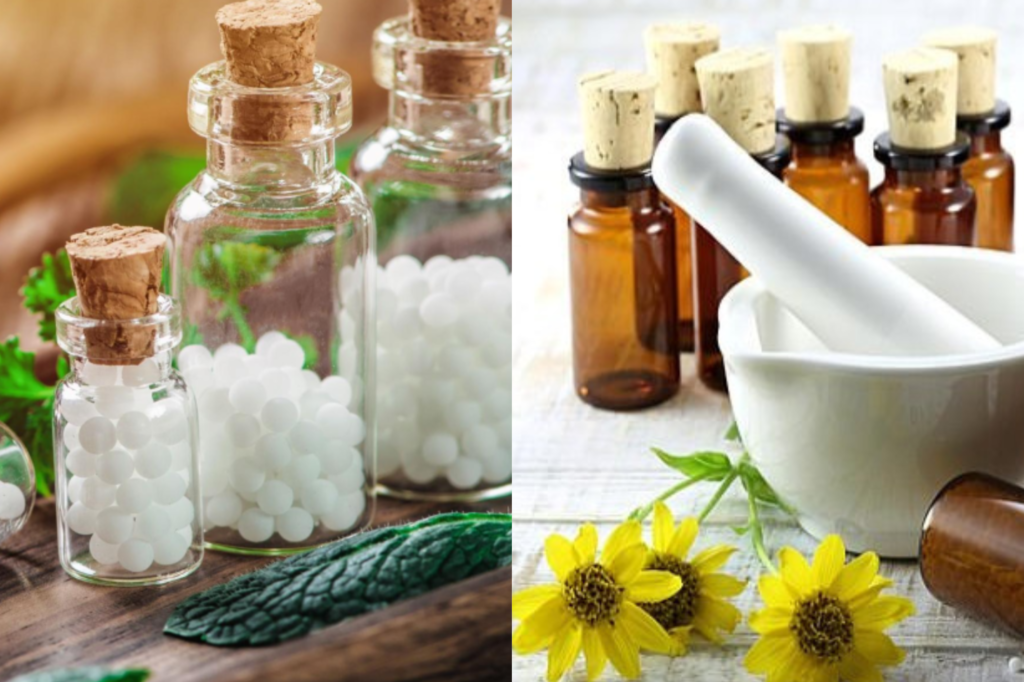
Homoeopathy does not treat acne as merely a skin problem.
Instead, classical homoeopathy considers:
- Physical symptoms
- Hormonal factors
- Emotional state
- Lifestyle habits
- Individual constitution
The goal of constitutional homoeopathic treatment is to support the body’s natural healing process and improve overall health.
At a trusted homoeopathy clinic, remedy selection is based on the patient’s complete symptom picture.
Common Homoeopathic Remedies Considered in Acne and Acne Rosacea
Important Note: Homoeopathic medicines should only be taken under the guidance of a qualified homoeopathic doctor. Remedy selection depends on individual symptoms and constitution.
Arsenicum Bromatum
May be considered when:
- Rosacea affects the nose
- Pimples become inflamed
- Symptoms worsen during spring
Belladonna
Often considered when:
- Skin appears hot
- Facial redness is prominent
- Symptoms alternate between redness and paleness
Carbo Animalis
May be useful in:
- Copper-colored skin eruptions
- Chronic acne conditions
Kali Iodatum
Often considered when:
- Acne appears purple or dark red
- Symptoms worsen with warmth
Sepia
May be indicated when:
- Yellow-brown facial discoloration is present
- Hormonal factors contribute to skin problems
- Symptoms affect cheeks and nose
Sanguinaria
Often considered in women experiencing:
- Hot flushes
- Facial redness
- Menopausal skin complaints
Causticum
May be considered when:
- Acne appears on the tip of the nose
- Facial eruptions affect cheeks and nose
Psorinum
Often associated with:
- Small red facial pimples
- Chronic skin sensitivity
Benefits of Homoeopathy for Acne Management
Many patients choose safe homoeopathic treatment because of its individualized and holistic approach.
Potential benefits include:
- Personalized treatment plans
- Focus on underlying causes
- Support for hormonal balance
- Improved skin health
- Reduced tendency toward recurrence
- Enhanced emotional well-being
- Holistic management of skin disorders
These principles form the foundation of trusted homoeopathy care and natural healing.
When Should You Consult a Homoeopathic Doctor?
Seek professional guidance if:
- Acne persists despite self-care
- Scarring develops
- Acne affects self-confidence
- Symptoms worsen suddenly
- Rosacea symptoms become severe
Early intervention often helps achieve better long-term outcomes.
Key Takeaways
- Acne affects more than 70% of young people and commonly appears during puberty.
- Hormonal changes, genetics, bacteria, and lifestyle factors all contribute to acne development.
- Acne Rosacea is a separate skin condition often seen in adults, particularly women.
- Proper skin care, healthy habits, and stress management can support skin health.
- Homoeopathy takes an individualized approach by considering physical, emotional, and constitutional factors.
- Consulting a qualified homoeopathic physician ensures safe and personalized treatment.