
Introduction
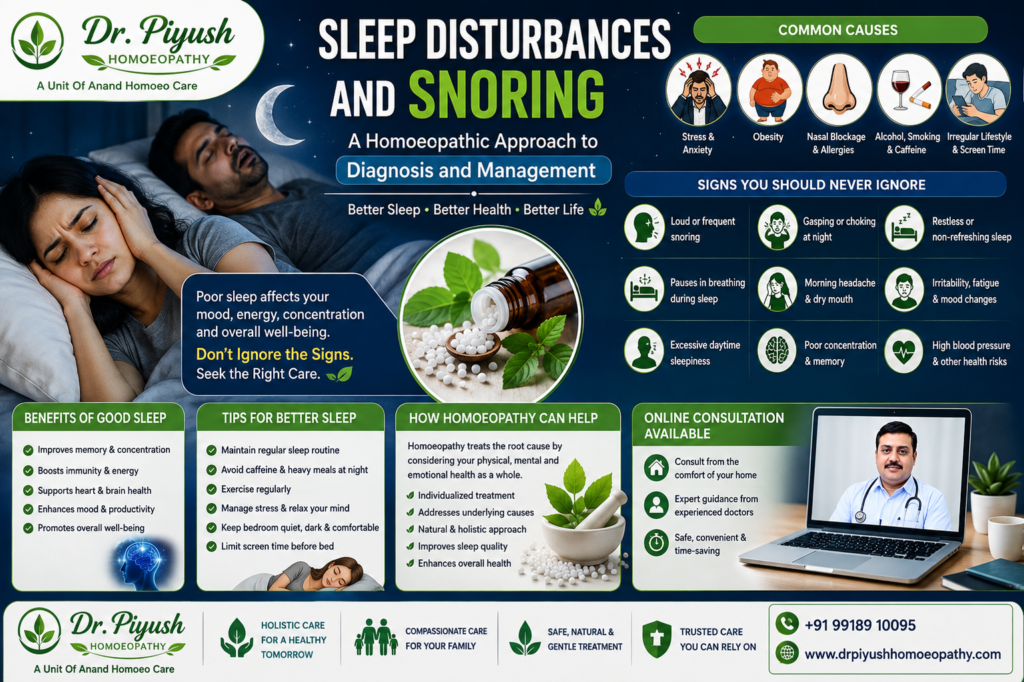
A good night’s sleep is essential for physical health, emotional balance, memory, concentration, and daily performance. Yet many people struggle with sleep disturbances, difficulty falling asleep, frequent waking, or loud snoring.
Occasional snoring may be harmless, but persistent or loud snoring can sometimes be a sign of an underlying condition such as obstructive sleep apnea (OSA). Similarly, long-term poor sleep can affect mood, energy, concentration, and overall quality of life.
At Dr. Piyush Homoeopathy, we believe that understanding the complete health picture is important. A detailed assessment of sleep patterns, lifestyle, emotional well-being, physical symptoms, and possible medical causes can help guide appropriate care.
This article explains the common causes and symptoms of sleep disturbances and snoring, important warning signs, diagnostic approaches, lifestyle measures, and the role of an individualized homoeopathic approach as complementary care.
What Are Sleep Disturbances?
Sleep disturbances are conditions that affect the quality, timing, duration, or continuity of sleep.
A person may have difficulty:
- Falling asleep
- Staying asleep
- Waking up too early
- Getting refreshing sleep
- Maintaining a regular sleep schedule
Poor sleep can lead to daytime tiredness and may affect concentration, memory, mood, productivity, and general well-being.
What Is Snoring?
Snoring is a noisy sound produced when airflow through the upper airway becomes partially restricted during sleep. The tissues in the throat and upper airway may vibrate as air passes through.
Occasional snoring is common. However, persistent snoring should not always be ignored.
It is particularly important to seek medical evaluation if snoring is associated with:
- Breathing pauses during sleep
- Gasping or choking at night
- Excessive daytime sleepiness
- Morning headaches
- Difficulty concentrating
- Waking with a dry mouth
- Unexplained fatigue
These symptoms may occur with obstructive sleep apnea, a condition that requires proper medical assessment.
Common Causes of Sleep Disturbances and Snoring
1. Lifestyle Factors
Daily habits can strongly influence sleep quality.
Common factors include:
- Irregular sleeping and waking times
- Excessive screen use before bedtime
- Caffeine or energy drinks late in the day
- Smoking
- Alcohol consumption
- Lack of physical activity
- Heavy meals close to bedtime
Improving daily routines is often an important first step toward better sleep.
2. Stress and Emotional Factors
The mind and body are closely connected.
Stress, anxiety, work pressure, relationship difficulties, grief, and excessive worrying may make it difficult to relax at night.
Common stress-related sleep problems include:
- Racing thoughts at bedtime
- Difficulty falling asleep
- Frequent waking
- Restless sleep
- Early morning waking
- Feeling tired despite spending enough time in bed
Long-term sleep problems can also increase emotional stress, creating a cycle of stress and poor sleep.
3. Medical Conditions
Certain health conditions can interfere with sleep or contribute to snoring.
These may include:
- Obstructive sleep apnea
- Obesity
- Chronic pain
- Gastroesophageal reflux disease (GERD)
- Some neurological conditions
- Certain hormonal disorders
- Cardiovascular conditions
Identifying and treating an underlying medical condition is important for long-term sleep health.
4. ENT and Respiratory Problems
Nasal and upper-airway problems may make breathing during sleep more difficult.
Examples include:
- Allergic rhinitis
- Deviated nasal septum
- Nasal congestion
- Nasal polyps
- Chronic sinus problems
- Enlarged tonsils or adenoids
- Upper-airway narrowing
A proper ENT evaluation may be useful when nasal obstruction or airway problems are suspected.
5. Medication and Substance-Related Factors
Some medicines and substances may influence sleep patterns or breathing during sleep.
A doctor should review the patient’s medication history, particularly when new sleep symptoms appear after starting or changing medication.
Patients should not stop prescribed medicines without medical advice.
Common Symptoms of Sleep Disturbances
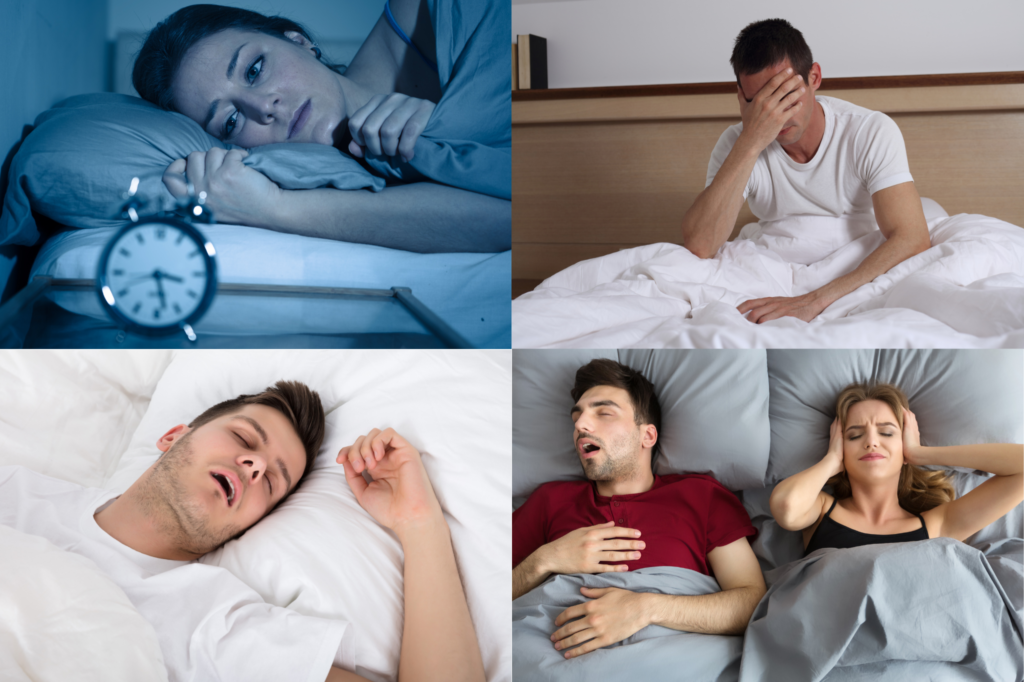
Night-Time Symptoms
A person may experience:
- Difficulty falling asleep
- Frequent waking
- Restless sleep
- Early morning awakening
- Non-refreshing sleep
- Loud snoring
- Gasping during sleep
- Witnessed pauses in breathing
Daytime Symptoms
Poor-quality sleep may result in:
- Daytime sleepiness
- Fatigue
- Irritability
- Poor concentration
- Memory problems
- Reduced productivity
- Mood changes
- Lack of energy
These symptoms should be discussed with a healthcare professional when they persist.
When Should Snoring Be Taken Seriously?
Not every person who snores has sleep apnea. However, certain symptoms require greater attention.
Important warning signs include:
- Very loud or persistent snoring
- Someone noticing that you stop breathing during sleep
- Gasping, choking, or suddenly waking up
- Excessive daytime sleepiness
- Morning headaches
- Difficulty staying awake during routine activities
- Poor concentration or memory
- High blood pressure or other associated health problems
If these symptoms are present, a medical evaluation for sleep apnea may be appropriate.
Understanding Obstructive Sleep Apnea
Obstructive Sleep Apnea (OSA) occurs when the upper airway repeatedly becomes blocked or narrowed during sleep.
This can cause repeated interruptions in breathing.
A person may not remember these episodes, but they can affect sleep quality and oxygen levels.
Possible signs include:
- Loud snoring
- Witnessed breathing pauses
- Gasping or choking
- Morning headaches
- Excessive daytime sleepiness
- Difficulty concentrating
- Irritability
Because untreated sleep apnea can have important health consequences, suspected cases should be properly evaluated by a qualified healthcare professional.
Classification of Sleep Disorders
Sleep disorders can occur in different forms.
1. Insomnia
Insomnia involves persistent difficulty falling asleep, staying asleep, or getting adequate restorative sleep despite having an opportunity to sleep.
2. Sleep-Related Breathing Disorders
These include:
- Obstructive sleep apnea
- Central sleep apnea
- Habitual snoring
3. Circadian Rhythm Disorders
These occur when the body’s sleep-wake cycle becomes misaligned with the desired schedule.
Examples include:
- Delayed sleep phase
- Shift-work-related sleep problems
- Jet lag
4. Hypersomnolence Disorders
These are characterized by excessive daytime sleepiness despite adequate opportunities for sleep.
5. Parasomnias
These involve unusual behaviors or experiences during sleep, such as:
- Sleepwalking
- Night terrors
- Sleep talking
- Some types of nightmares
How Are Sleep Disturbances and Snoring Evaluated?
A detailed assessment is important because snoring and poor sleep can have different causes.
Medical History
A healthcare professional may ask about:
- Sleep schedule
- Duration of symptoms
- Snoring frequency and intensity
- Witnessed breathing pauses
- Daytime sleepiness
- Lifestyle habits
- Stress levels
- Existing medical conditions
- Medication use
- Weight changes
- Nasal or respiratory symptoms
A partner or family member may provide useful information because the patient may not be aware of nighttime breathing problems.
Physical Examination
Depending on the symptoms, evaluation may include:
- General physical examination
- Weight and body mass index
- Neck assessment
- Blood pressure measurement
- Nose and throat examination
- ENT assessment
- Cardiovascular examination
- Respiratory examination
Investigations for Persistent Sleep Problems
Investigations depend on the patient’s symptoms and suspected cause.
A healthcare professional may recommend:
- Blood tests when clinically indicated
- Thyroid testing when appropriate
- Blood glucose testing
- Pulse oximetry
- ENT evaluation
- Polysomnography or sleep study when sleep apnea is suspected
- Other investigations based on individual findings
A sleep study can help assess breathing, oxygen levels, heart rate, brain activity, and other sleep-related parameters.
Improving Sleep Naturally: Healthy Sleep Habits
Healthy daily habits can support better sleep.
Follow a Regular Sleep Schedule
Try to go to bed and wake up at approximately the same time each day.
Reduce Screen Exposure Before Bed
Bright screens and stimulating content close to bedtime may make relaxation more difficult.
Limit Caffeine
Avoid excessive caffeine, particularly later in the day.
Stay Physically Active
Regular physical activity can support healthy sleep, although vigorous exercise immediately before bedtime may not suit everyone.
Create a Comfortable Sleep Environment
Keep the bedroom:
- Quiet
- Comfortable
- Dark
- Well ventilated
- Suitable for relaxation
Manage Stress
Relaxation techniques, breathing exercises, meditation, counseling, and other stress-management approaches may help when emotional stress contributes to sleep difficulties.
Weight and Snoring
Excess body weight can increase the risk of snoring and obstructive sleep apnea in some individuals.
When appropriate, gradual and sustainable weight management can support:
- Better breathing during sleep
- Improved overall fitness
- Better metabolic health
- Improved sleep quality
Weight management should be individualized and should focus on healthy, sustainable habits rather than extreme diets.
The Homoeopathic Perspective
Homoeopathy traditionally follows an individualized approach. Instead of considering only the name of a disease, a homoeopathic consultation may explore the patient’s complete symptom picture.
This may include:
- Sleep pattern
- Time of waking
- Position during sleep
- Nature of snoring
- Breathing symptoms
- Nasal complaints
- Digestive symptoms
- Mental and emotional state
- Stress patterns
- General physical characteristics
- Individual symptom triggers and relieving factors
The aim is to understand the person as a whole rather than focusing only on one isolated symptom.
Important Medical Note
Homoeopathy should not be used as a substitute for evaluation or evidence-based treatment of conditions such as obstructive sleep apnea. Persistent snoring, witnessed breathing pauses, choking during sleep, or excessive daytime sleepiness should be medically assessed.
Where appropriate, homoeopathic care may be considered as complementary, individualized support alongside necessary medical evaluation and treatment.

Commonly Discussed Homoeopathic Remedies
In traditional homoeopathic practice, certain remedies are discussed in relation to sleep complaints and snoring. Remedy selection should be individualized and should not be based on snoring alone.
Nux Vomica
Traditionally associated with sleep disturbance following mental strain, a busy lifestyle, irritability, digestive complaints, and frequent waking.
Kali Bichromicum
Traditionally considered when snoring occurs along with nasal obstruction and thick nasal secretions.
Opium
In traditional homoeopathic literature, associated with very deep sleep, loud snoring, and difficult arousal.
Lachesis
Traditionally considered in certain sleep complaints associated with sensations of choking or respiratory discomfort.
Lycopodium
May be considered traditionally when sleep complaints occur along with digestive symptoms such as bloating and flatulence.
Coffea Cruda
Traditionally associated with difficulty sleeping because of excessive mental activity, excitement, or racing thoughts.
Arsenicum Album
Traditionally discussed in cases involving anxiety, restlessness, nighttime waking, and exhaustion.
Calcarea Carbonica
Traditionally considered in certain individuals with fatigue, perspiration, weight-related concerns, and sleep complaints.
These traditional remedy descriptions are not a substitute for diagnosis or medical treatment. A qualified practitioner should assess the individual before recommending any remedy.
Homoeopathy and a Holistic Approach to Sleep
A holistic health approach considers several aspects of a person’s health together.
For sleep-related complaints, this may mean paying attention to:
Physical Health
Nasal obstruction, weight, digestion, pain, breathing, and other physical symptoms.
Mental Well-Being
Anxiety, stress, emotional strain, and excessive mental activity.
Lifestyle
Sleep schedule, diet, exercise, screen exposure, caffeine, and other daily habits.
Individual Symptoms
The timing, triggers, sensations, and patterns associated with the complaint.
This comprehensive approach can help create a more complete understanding of the patient’s concerns.
Preventing Snoring and Improving Sleep Quality
Simple lifestyle measures may help some people:
- Maintain a healthy body weight.
- Follow a regular sleep routine.
- Exercise regularly.
- Avoid smoking.
- Limit alcohol.
- Avoid excessive caffeine, especially near bedtime.
- Keep nasal problems under proper care.
- Reduce unnecessary screen use before sleep.
- Manage stress.
- Maintain a comfortable sleeping environment.
- Seek medical advice for persistent or worsening snoring.
Frequently Asked Questions
Is snoring always a sign of sleep apnea?
No. Many people snore without having sleep apnea. However, loud persistent snoring combined with breathing pauses, choking, or excessive daytime sleepiness should be evaluated.
Can poor sleep affect daytime health?
Yes. Poor sleep can contribute to tiredness, irritability, poor concentration, memory problems, and reduced daily performance.
Can stress cause insomnia?
Stress and anxiety can make it difficult to fall asleep or stay asleep. Persistent insomnia should be discussed with a healthcare professional.
Can children snore?
Yes. Children can snore for several reasons, including nasal congestion or enlarged tonsils and adenoids. Persistent or loud snoring in children deserves medical evaluation.
When should I consult a doctor about snoring?
Consult a healthcare professional if snoring is persistent, very loud, associated with breathing pauses or choking, or accompanied by significant daytime sleepiness.
Key Takeaways
- Sleep disturbances can affect physical health, mental well-being, concentration, and quality of life.
- Snoring is common, but persistent loud snoring may sometimes indicate obstructive sleep apnea.
- Stress, lifestyle habits, obesity, nasal obstruction, and other medical conditions can contribute to poor sleep.
- A proper evaluation is important when snoring is accompanied by breathing pauses, choking, or excessive daytime sleepiness.
- Healthy sleep hygiene, regular exercise, stress management, and appropriate medical care can support better sleep.
- An individualized homoeopathic approach may consider the patient’s complete symptom picture, but it should not replace necessary medical evaluation or treatment for serious sleep-related conditions.