
Introduction
Every parent wants to keep their child healthy and safe. Children often develop minor illnesses like fever, cough, cold, or stomach upset that usually improve with proper care. However, some symptoms should never be ignored because they may indicate a serious medical condition requiring immediate attention.
Recognizing these red flag symptoms early can help prevent complications and ensure timely treatment. While homoeopathy can play an important role in supporting overall health and immunity through individualized treatment, emergency warning signs always require prompt medical evaluation.
In this blog, the experts at Dr. Piyush Homoeopathy explain the most important danger signs every parent should know and when to seek immediate medical care.
Why Early Recognition of Red Flag Symptoms Matters
Children cannot always explain how they feel. Sometimes a serious illness begins with only a few warning signs. Delaying treatment may increase the risk of complications.
Early medical attention can:
- Save lives
- Prevent severe illness
- Reduce hospitalization
- Speed up recovery
- Protect long-term health
Parents should trust their instincts. If something feels seriously wrong, it is always better to consult a qualified doctor immediately.
What Are Red Flag Symptoms?
Red flag symptoms are warning signs that may indicate a serious infection, neurological problem, breathing difficulty, dehydration, or another medical emergency.
These symptoms require urgent medical assessment rather than waiting for them to improve on their own.
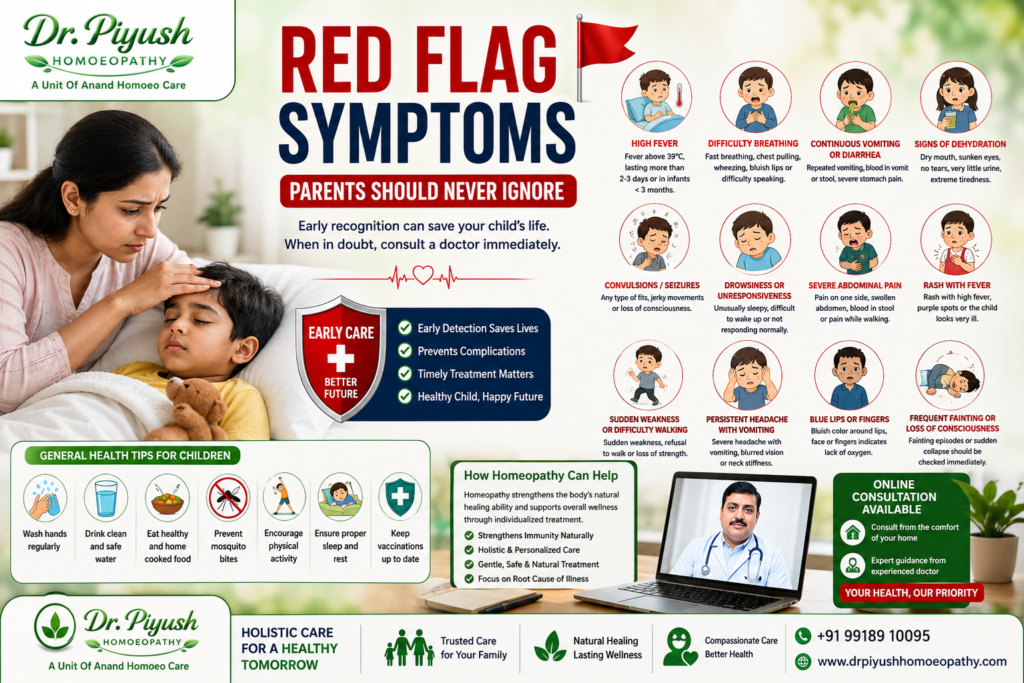
1. High Fever That Does Not Improve
Fever is common in children, but persistent or very high fever deserves attention.
Seek immediate medical care if:
- Fever above 39°C (102.2°F) lasting more than 2–3 days
- Fever in infants younger than 3 months
- Fever with excessive sleepiness
- Fever with seizures
- Fever accompanied by breathing difficulty
- Fever with severe rash
Persistent fever may be associated with viral infections, bacterial infections, dengue, typhoid, pneumonia, or other serious illnesses.
2. Difficulty Breathing
Breathing problems should never be ignored.
Warning signs include:
- Fast breathing
- Chest pulling inward while breathing
- Wheezing
- Bluish lips
- Difficulty speaking or crying
- Continuous coughing with breathlessness
These symptoms may occur in:
- Asthma
- Pneumonia
- Severe allergic reactions
- Bronchiolitis
- Serious respiratory infections
Seek emergency care immediately.
3. Continuous Vomiting or Severe Diarrhea
Occasional vomiting is common, but repeated vomiting can quickly lead to dehydration.
Watch for:
- Vomiting everything the child drinks
- Blood in vomit
- Persistent diarrhea
- Bloody stools
- Severe abdominal pain
Children lose fluids rapidly, especially during summer and monsoon seasons.
4. Signs of Dehydration
Dehydration is one of the most common reasons children require hospital care.
Important signs include:
- Dry lips and mouth
- Sunken eyes
- No tears while crying
- Very little urine
- Extreme tiredness
- Dizziness
- Poor feeding in infants
Immediate fluid replacement and medical evaluation are necessary.
5. Convulsions or Seizures
A seizure can be frightening.
Never ignore:
- First-time seizure
- Fever with seizure
- Child becoming unconscious
- Repeated jerking movements
- Stiff body
Emergency medical treatment is essential.
6. Persistent Drowsiness or Unresponsiveness
If a child is difficult to wake up or seems unusually sleepy, it may indicate a serious illness.
Seek urgent care if your child:
- Is difficult to wake
- Does not respond normally
- Appears confused
- Is unusually weak
- Refuses all food and fluids
7. Severe Abdominal Pain
Not every stomach ache is harmless.
Warning signs include:
- Pain localized to one side
- Swollen abdomen
- Persistent vomiting
- Blood in stool
- Pain preventing walking
These may indicate:
- Appendicitis
- Intestinal obstruction
- Severe infection
8. Persistent Skin Rash with Fever
Some rashes are harmless, while others may indicate dangerous infections.
Seek medical attention if:
- Rash spreads rapidly
- Purple spots appear
- Rash is associated with high fever
- Child appears very ill
9. Sudden Weakness or Difficulty Walking
A child suddenly refusing to walk or losing strength should be evaluated immediately.
Possible causes include:
- Neurological disorders
- Severe infections
- Muscle disorders
- Injury
10. Persistent Headache with Vomiting
Although headaches are common, persistent severe headache may require urgent evaluation.
Especially if associated with:
- Vomiting
- Blurred vision
- Confusion
- Neck stiffness
- High fever
11. Poor Feeding in Infants
Babies who suddenly stop feeding require medical assessment.
Watch for:
- Weak sucking
- Excessive sleepiness
- Difficulty breathing while feeding
- Persistent crying
12. Blue Lips or Fingers
Bluish discoloration may indicate reduced oxygen levels.
This is always an emergency.
13. Persistent Cough Lasting More Than Two Weeks
Long-lasting cough may indicate:
- Whooping cough
- Asthma
- Pneumonia
- Tuberculosis
- Allergies
Medical evaluation is recommended.
14. Swelling of Face, Lips, or Tongue
This may be a severe allergic reaction.
Symptoms include:
- Difficulty breathing
- Trouble swallowing
- Sudden swelling
- Rash
Immediate emergency treatment is necessary.
15. Frequent Fainting or Loss of Consciousness
Loss of consciousness should always be evaluated by a doctor.
Possible causes include:
- Heart conditions
- Neurological disorders
- Severe dehydration
- Low blood sugar
Common Seasonal Illnesses Parents Should Watch During Monsoon
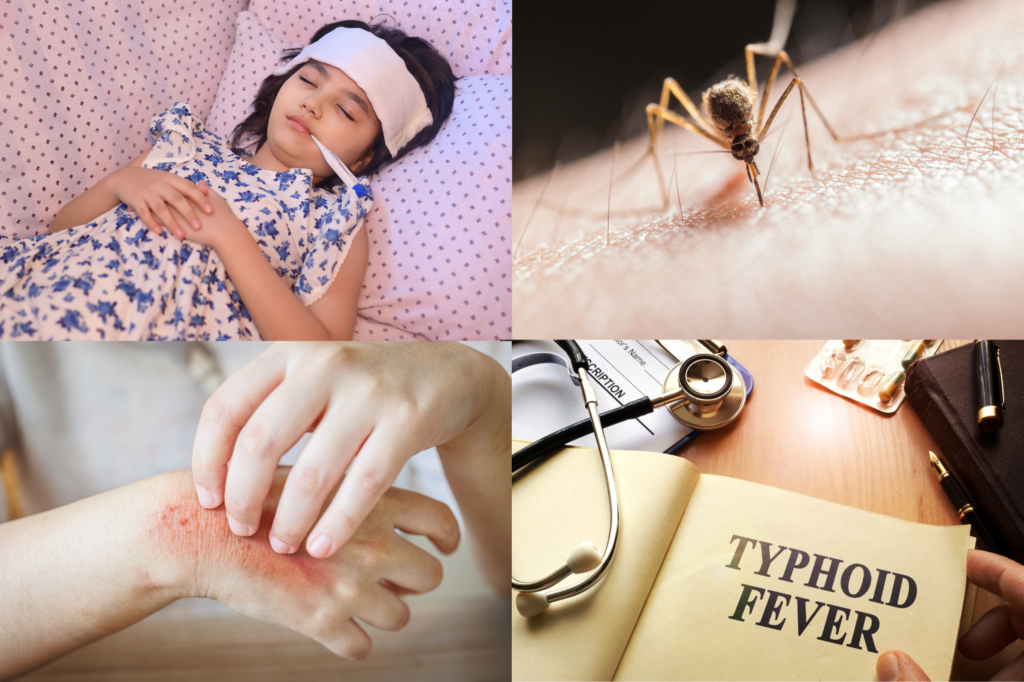
The rainy season increases the risk of many infections.
Common illnesses include:
- Viral fever
- Dengue
- Malaria
- Typhoid
- Flu
- Gastroenteritis
- Hand, Foot and Mouth Disease
- Conjunctivitis
- Respiratory infections
Early diagnosis helps prevent complications.
How Homoeopathy Can Support Children’s Health
Homoeopathy follows an individualized approach and considers the child’s overall physical and emotional health.
A qualified homoeopathic doctor may recommend personalized treatment to:
- Support natural healing
- Improve general immunity
- Help reduce recurrence of common illnesses
- Promote overall wellness
Important Note: Homoeopathy should not replace emergency medical care for serious symptoms. Children with danger signs should first receive immediate evaluation by a qualified medical professional.
Tips to Keep Your Child Healthy Throughout the Year
Encourage Healthy Habits
- Provide a balanced diet
- Ensure adequate hydration
- Promote regular sleep
- Maintain hand hygiene
- Keep vaccinations up to date
- Encourage outdoor play
- Avoid mosquito breeding
- Maintain a clean home environment
- Limit junk food
- Schedule regular health check-ups
When Should Parents Visit a Doctor Immediately?
Visit the nearest healthcare facility immediately if your child has:
- Difficulty breathing
- Convulsions
- High persistent fever
- Severe dehydration
- Continuous vomiting
- Unconsciousness
- Blue lips
- Severe abdominal pain
- Persistent drowsiness
- Sudden weakness
Never delay treatment if your child appears seriously ill.

Conclusion
Parents know their children best. Even small changes in behavior, activity, feeding, or breathing may be important warning signs. Recognizing red flag symptoms early can make a significant difference in protecting your child’s health.
At Dr. Piyush Homoeopathy, we believe that early awareness, timely medical care, healthy lifestyle practices, and individualized homoeopathic treatment together help children grow stronger and healthier. Always remember that emergency symptoms require immediate medical attention, while ongoing health concerns can benefit from professional evaluation and personalized care.
Key Takeaways
- Early recognition of red flag symptoms can save a child’s life.
- Difficulty breathing, persistent high fever, seizures, dehydration, and unconsciousness require immediate medical attention.
- Seasonal infections are more common during the monsoon and should not be ignored.
- Homoeopathy can support overall health through individualized treatment but does not replace emergency medical care.
- Healthy habits, timely diagnosis, and regular medical consultations help children stay healthy year-round.
- Parents should always trust their instincts and seek professional medical advice when something feels wrong.