
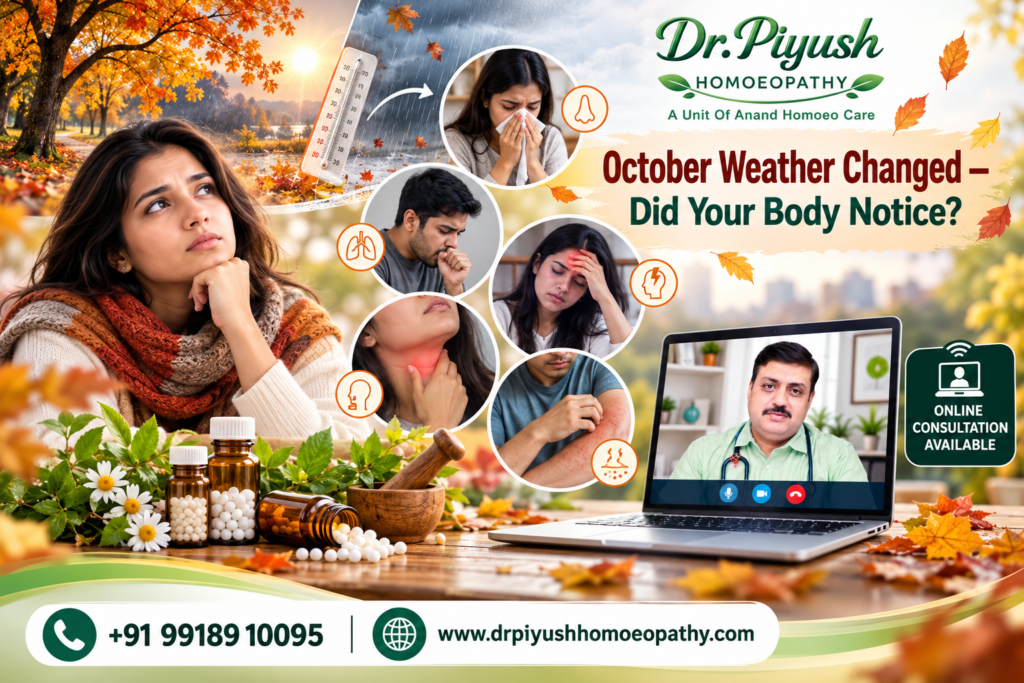
October often feels like a transition month. The hot days may begin to ease, mornings and evenings can feel cooler, and changes in humidity, temperature, dust and air quality may affect some people differently.
You may notice more sneezing, nasal congestion, cough, throat irritation, headaches, tiredness or skin dryness during this period. But is the weather itself making you sick, or are changing environmental conditions triggering symptoms?
The answer is often more complex. Seasonal changes can alter exposure to allergens and irritants, while infections also circulate independently of weather. Understanding your symptoms can help you choose the right preventive and healthcare approach.
Why Does the Body Notice a Weather Change?
Our body continuously adjusts to changes in the surrounding environment.
During the transition into October, people may experience differences in:
- Temperature
- Humidity
- Air quality
- Dust and pollution
- Pollen and other allergens
- Indoor and outdoor exposure
- Sleep and daily routines
These factors can influence existing allergies, asthma, sinus symptoms and general comfort. Pollen levels also vary with season, location and weather conditions.
However, it is important to remember that weather change itself does not automatically cause an infection. Symptoms such as fever, persistent cough or severe weakness need proper medical assessment.
Common Health Changes You May Notice in October
1. Sneezing and Runny Nose
Repeated sneezing, watery nasal discharge and nasal itching may occur when environmental allergens trigger an allergic response.
Common triggers include:
- Dust
- Pollen
- Mould
- Animal allergens
- Air pollution
If symptoms continue or repeatedly return, consider an evaluation for seasonal allergies or allergic rhinitis.
2. Nasal Congestion and Sinus Discomfort
Changes in temperature and exposure to dust or allergens may aggravate nasal symptoms in susceptible individuals.
You may notice:
- Blocked nose
- Nasal irritation
- Post-nasal drip
- Facial pressure
- Reduced sense of smell
Persistent or severe symptoms should not automatically be labelled as “weather-related.” Other conditions may have similar symptoms.
3. Cough and Throat Irritation
Dryness, allergens, pollution or respiratory infections can all contribute to coughing or throat discomfort.
Pay attention to the pattern.
A mild, short-lived cough may settle with supportive care. A persistent cough, wheezing, chest tightness or breathing difficulty requires medical evaluation.
4. Asthma Symptoms May Flare
People with asthma can be sensitive to environmental triggers.
During a seasonal transition, changes in allergens, air quality, respiratory infections or other triggers may contribute to symptoms.
Watch for:
- Wheezing
- Shortness of breath
- Chest tightness
- Persistent cough
- Difficulty exercising
People with asthma should continue their prescribed management plan. Complementary approaches should not replace prescribed asthma treatment.
5. Dry or Sensitive Skin
As environmental conditions change, some people may notice:
- Dryness
- Itching
- Rough skin
- Increased sensitivity
A gentle moisturising routine and adequate hydration can help support the skin barrier.
Persistent rashes or severe itching should be evaluated rather than assumed to be caused by the weather.
Why Do Allergies Feel Worse During Seasonal Transitions?
Allergy symptoms depend on the person’s sensitivity and the allergens present in their environment.
Pollen is an airborne allergen, and its levels can vary according to season, geography and weather conditions.
Other common indoor triggers include:
- Dust mites
- Mould
- Pet dander
- Household dust
This is why two people experiencing the same weather may have completely different symptoms.
The weather may be changing, but the trigger is not necessarily the temperature itself.

October Weather and Your Sleep
Changes in temperature and nasal symptoms can affect sleep.
A blocked nose may lead to:
- Mouth breathing
- Frequent waking
- Dry mouth
- Snoring
- Daytime tiredness
Good sleep remains an important part of overall health.
Try to maintain:
- A regular sleep schedule
- A comfortable bedroom temperature
- Good ventilation
- Clean bedding
- Reduced dust exposure
If persistent snoring or breathing problems affect sleep, professional evaluation is recommended.
October Health Care: What Can You Do?
A few simple habits can help your body adjust to seasonal changes.
Keep Your Environment Clean
Regularly clean:
- Bedding
- Curtains
- Fans
- Air-conditioner filters
- Frequently touched surfaces
Reduce unnecessary dust-collecting items in sleeping areas.
Stay Hydrated
Drink adequate fluids according to your individual needs.
Hydration supports normal body functions and can be especially useful when the throat or nasal passages feel dry.
Dress According to the Weather
Avoid sudden exposure to uncomfortable temperature changes.
Keep an extra light layer available when mornings and evenings are cooler.
Maintain Physical Activity
Regular movement supports general health.
Choose activities that suit your age, fitness level and medical condition.
Eat a Balanced Diet
Include a variety of:
- Vegetables
- Fruits
- Whole grains
- Protein sources
- Healthy fats
A balanced diet supports overall nutritional health but should not be presented as a cure for seasonal allergies or infections.
How Can Homoeopathy Help During Seasonal Changes?
Homoeopathy traditionally follows an individualised approach. A homoeopathic doctor may consider the complete pattern of symptoms rather than focusing only on the season.
During a homoeopathic consultation, the practitioner may discuss:
- Type of nasal discharge
- Sneezing pattern
- Nasal congestion
- Throat irritation
- Cough
- Weather sensitivity
- Sleep
- Appetite
- Energy levels
- Previous health history
- Individual symptom patterns
This approach is commonly described as individualised homoeopathic care.
However, current scientific evidence does not establish homoeopathy as an effective treatment for any specific health condition. Some products labelled as homoeopathic may also contain active ingredients and can cause side effects or interactions.
Therefore, homoeopathic treatment should not replace evidence-based medical care, especially for asthma, serious infections, breathing difficulties or other potentially serious conditions.

Can Homoeopathy Prevent Seasonal Health Problems?
This is an important question.
Traditional homoeopathic healthcare may focus on an individual’s recurring symptom pattern and overall health history. Some people seek preventive homoeopathic care during seasonal changes.
However, there is not reliable scientific evidence that homoeopathic medicines can prevent seasonal infections, allergies or other specific diseases.
Therefore, prevention should focus on established measures such as:
- Reducing known allergen exposure
- Maintaining good indoor air quality
- Washing hands regularly
- Getting recommended vaccinations
- Maintaining healthy sleep
- Staying physically active
- Eating a balanced diet
- Following prescribed treatment plans
- Seeking medical care when symptoms persist
For children especially, complementary products should be discussed with their healthcare provider, and proven treatment should not be delayed or replaced.
Homoeopathy and Seasonal Symptoms: A Responsible Approach
If someone chooses complementary homoeopathic care, a responsible consultation should focus on the individual’s symptoms and overall health while maintaining appropriate medical care.
A trusted homoeopathic clinic should encourage patients to:
- Share their complete medical history.
- Inform the practitioner about current medicines.
- Avoid stopping prescribed medicines independently.
- Seek appropriate investigations when necessary.
- Recognise warning signs that require urgent medical attention.
- Follow up when symptoms do not improve.
This supports a more responsible patient-centred homoeopathic approach.
When Is It More Than a Weather Change?
Do not blame every symptom on changing weather.
Seek medical advice if you experience:
- High or persistent fever
- Difficulty breathing
- Wheezing
- Chest pain
- Severe weakness
- Persistent cough
- Severe sinus or facial pain
- Symptoms that are getting worse
- Repeated episodes affecting daily life
Breathing difficulty, severe chest symptoms or a rapidly worsening condition require prompt medical attention.
October Wellness Checklist
As the season changes, use this simple checklist:
Morning
☑ Check how you feel before starting the day
☑ Stay hydrated
☑ Dress comfortably for the temperature
During the Day
☑ Stay physically active
☑ Avoid known allergens
☑ Reduce unnecessary dust and smoke exposure
☑ Eat balanced meals
Evening
☑ Keep the sleeping area clean
☑ Maintain a comfortable bedroom environment
☑ Follow your prescribed treatment plan
☑ Get adequate sleep
Listen to What Your Body Is Telling You
A weather transition can make existing symptoms more noticeable, but it is not always the underlying cause.
The right approach is to observe:
What changed? → What symptoms appeared? → How long have they lasted? → What triggers them? → Do they need medical evaluation?
A professional homoeopathic consultation may provide an opportunity to discuss recurring symptoms from an individualised perspective. But appropriate diagnosis and evidence-based treatment remain essential.
Conclusion
October brings a change in the environment, and some people may notice changes in their health at the same time.
Sneezing, nasal congestion, cough, throat irritation, skin dryness and sleep disturbance can have several causes. Allergens, pollution, infections, existing medical conditions and lifestyle changes may all play a role.
Seasonal wellness begins with awareness.
Observe your symptoms. Reduce known triggers. Maintain healthy daily habits. And when symptoms are persistent or severe, seek appropriate professional medical care.
Homoeopathy can be discussed as a complementary, individualised healthcare approach, but current evidence does not establish it as a proven method for preventing or treating specific seasonal illnesses.
Key Takeaways
- October’s changing temperature, humidity, allergens and air quality may make existing symptoms more noticeable in some people.
- Sneezing, nasal congestion, cough and throat irritation can have several causes and should not automatically be blamed on the weather.
- Reducing known allergens, maintaining good sleep, staying active and following healthy routines can support seasonal wellness.
- Homoeopathy traditionally uses an individualised approach, but current scientific evidence does not establish it as an effective treatment or preventive therapy for specific seasonal illnesses.
- Homoeopathic care should not replace prescribed treatment, particularly for asthma, serious infections or breathing difficulties.
- Persistent, severe or unusual symptoms require appropriate professional medical evaluation.