
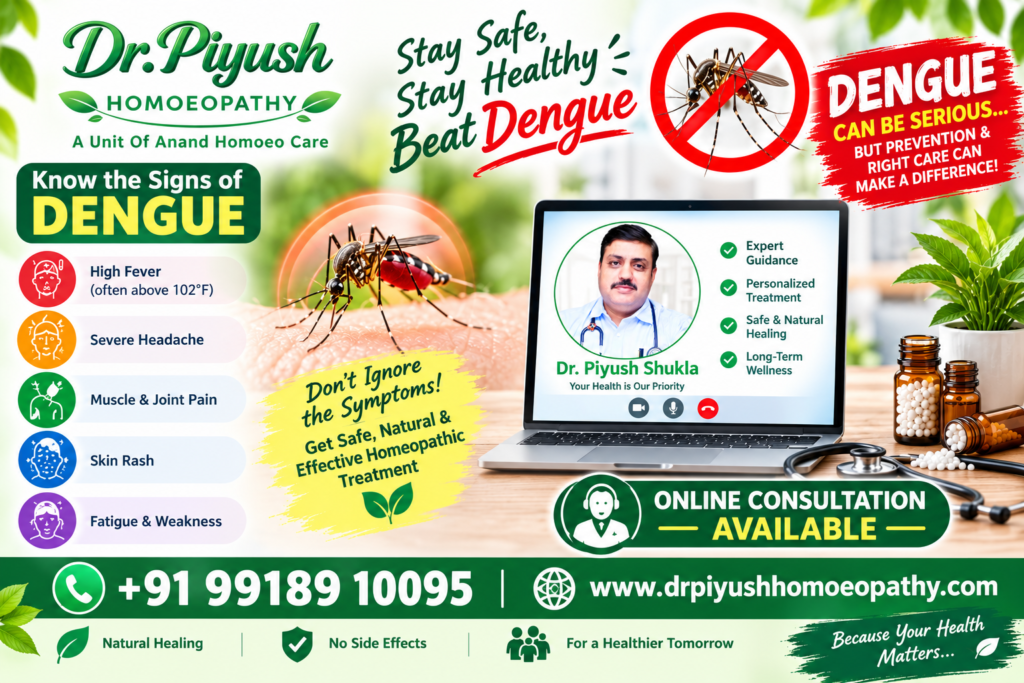
Dengue is a mosquito-borne viral infection that is common in tropical and subtropical regions, including India. It can range from a mild fever to severe dengue, which may cause bleeding, shock, or organ complications. Early medical evaluation and careful monitoring are important, especially when warning signs appear.
From a homoeopathic perspective, an individualized consultation may focus on the patient’s symptoms, general health, recovery, and supportive care. However, there is currently no reliable evidence that homoeopathy can cure dengue, prevent dengue infection, eliminate the dengue virus, or replace medical management. Therefore, homoeopathy should never delay testing, monitoring, hydration, or emergency treatment when required.
What Is Dengue?
Dengue is a viral infection caused by the dengue virus (DENV). It is mainly transmitted through the bite of infected Aedes mosquitoes.
Dengue may cause:
- High fever
- Severe headache
- Pain behind the eyes
- Muscle and joint pain
- Nausea and vomiting
- Skin rash
- Weakness and fatigue
Most people recover within one to two weeks, but some patients can develop severe dengue and require hospital care.
What Causes Dengue?
Dengue is caused by infection with the dengue virus.
The virus spreads when an infected mosquito bites a person. The mosquito can then transmit the virus to another person through another bite.
Important factors include:
- Mosquito breeding around homes
- Stagnant water
- Poor water-storage practices
- Open containers
- Uncovered tanks
- Water collected in coolers, tyres and flowerpots
- Increased mosquito activity during favourable weather conditions
Dengue transmission commonly increases during and after rainy periods because mosquito breeding can increase when water collects in suitable places.
Dengue Symptoms
Symptoms usually develop around 4–10 days after infection. Dengue can initially look like other viral illnesses, so medical evaluation is important when dengue is suspected.
Common Symptoms of Dengue
The common dengue symptoms include:
- Sudden high fever
- Severe headache
- Pain behind the eyes
- Muscle pain
- Joint or bone pain
- Nausea
- Vomiting
- Skin rash
- Weakness
- Fatigue
Fever usually lasts for several days. Importantly, a reduction in fever does not always mean that the patient is recovering.
The critical phase can begin around the time the fever settles, which is why patients need careful observation during this period.

Warning Signs of Severe Dengue
Severe dengue can become a medical emergency.
Seek immediate medical care if a person with suspected or confirmed dengue develops:
- Severe abdominal pain or tenderness
- Persistent vomiting
- Bleeding from the nose or gums
- Blood in vomit
- Blood in stool or black stools
- Rapid breathing
- Extreme weakness
- Restlessness or unusual drowsiness
- Pale or cold skin
- Severe thirst
- Difficulty breathing
These symptoms may indicate progression to severe dengue and require urgent medical assessment.
Remember
Fever going down does not always mean dengue is over.
The period shortly after fever settles can be particularly important. Patients and caregivers should continue monitoring symptoms and follow medical advice.
How Is Dengue Diagnosed?
Proper dengue diagnosis is important because dengue symptoms can resemble other viral infections.
A healthcare professional may consider:
1. Clinical Evaluation
The doctor may ask about:
- Fever duration
- Symptoms
- Mosquito exposure
- Recent travel
- Local dengue activity
- Previous dengue infection
- Existing health conditions
2. Laboratory Testing
Depending on the stage of illness, tests may include:
- NS1 antigen testing
- Dengue IgM testing
- Nucleic acid amplification testing (NAAT)
- Complete blood count (CBC)
- Other tests based on the patient’s condition
The appropriate test depends on when symptoms started and the clinical situation.
Dengue Treatment
There is currently no specific antiviral medicine that cures dengue. Treatment mainly focuses on supportive care, monitoring, hydration, and identifying complications early.
Supportive Care May Include
- Adequate rest
- Appropriate fluid intake
- Medical monitoring
- Fever and pain management as advised by a doctor
- Monitoring blood counts when clinically indicated
- Hospital treatment when warning signs or severe dengue develop
Important Medicine Precaution
Patients with suspected or confirmed dengue should generally avoid aspirin and NSAIDs such as ibuprofen unless specifically advised by a healthcare professional, because these medicines can increase bleeding risk. Paracetamol/acetaminophen is commonly recommended for fever and pain when appropriate.
Can Homoeopathy Help in Dengue?
This is one of the most important questions for patients looking for homoeopathy for dengue.
Homoeopathy is traditionally based on an individualized assessment of symptoms. A homoeopathic consultation may consider:
- Fever pattern
- Thirst
- Weakness
- Appetite
- Sleep
- Nausea or digestive symptoms
- General constitution
- Recovery pattern
- Previous health history
However, there is not enough reliable scientific evidence to establish homoeopathy as an effective treatment for dengue infection.
Dengue can become severe quickly. Therefore, homoeopathic treatment should not be used as a substitute for medical evaluation, laboratory testing, hydration, monitoring, or hospital care.
A responsible homoeopathic doctor should recognize warning signs and recommend timely medical care when required.

Can Homoeopathy Prevent Dengue?
An Important Fact Patients Should Know
There is currently no reliable scientific evidence that homoeopathic medicines can prevent dengue infection or make a person immune to dengue.
Therefore, it would not be medically responsible to claim that taking a particular homoeopathic medicine can prevent dengue.
The most effective dengue prevention strategy is to prevent mosquito bites and reduce mosquito breeding.
This distinction is important for trusted homoeopathic care and responsible patient education.
How to Prevent Dengue Naturally and Safely
Mosquito control is the key to dengue prevention.
1. Remove Stagnant Water
Check your home and surroundings regularly.
Remove standing water from:
- Flowerpots
- Plant trays
- Coolers
- Buckets
- Old tyres
- Containers
- Roof areas
- Open tanks
- Discarded objects
2. Keep Water Containers Covered
Keep domestic water-storage containers properly covered.
Clean and empty containers regularly so mosquitoes do not get an opportunity to breed.
3. Prevent Mosquito Bites
Use appropriate mosquito protection such as:
- Mosquito repellents
- Long-sleeved clothing
- Window screens
- Mosquito nets
- Appropriate indoor mosquito-control measures
WHO recommends avoiding mosquito bites as a major part of dengue prevention.
4. Protect a Person Who Has Dengue
A person with dengue can potentially pass the virus to mosquitoes that bite them during the period when the virus is circulating in the blood.
Therefore, mosquito-bite prevention is also important after someone develops dengue.
Homoeopathy and Supportive Health Care During Dengue
An individualized homoeopathy consultation may discuss the patient’s overall health and recovery needs. However, supportive homoeopathic care should always remain secondary to appropriate medical management.
A responsible homoeopathic clinic should encourage patients to:
- Get appropriate dengue testing when indicated.
- Follow medical advice.
- Maintain appropriate hydration.
- Monitor symptoms.
- Follow recommended blood tests when required.
- Avoid unsafe self-medication.
- Seek urgent care when warning signs appear.
- Continue prescribed treatment unless their treating doctor advises otherwise.
This approach supports patient-centered care rather than encouraging patients to delay essential treatment.
Dengue and Platelet Count: An Important Myth
A common misconception is that every dengue patient needs a medicine or food that will immediately increase platelet counts.
A low platelet count can occur during dengue, but platelet count alone does not determine whether a patient has severe dengue or needs platelet transfusion.
Clinical condition, bleeding, hematocrit, vital signs, fluid status, and other findings are important in medical decision-making. Routine preventive platelet transfusions are not recommended for dengue without an appropriate clinical indication.
Therefore, patients should not depend on unproven natural health care remedies or homoeopathic medicines for raising platelets during dengue.
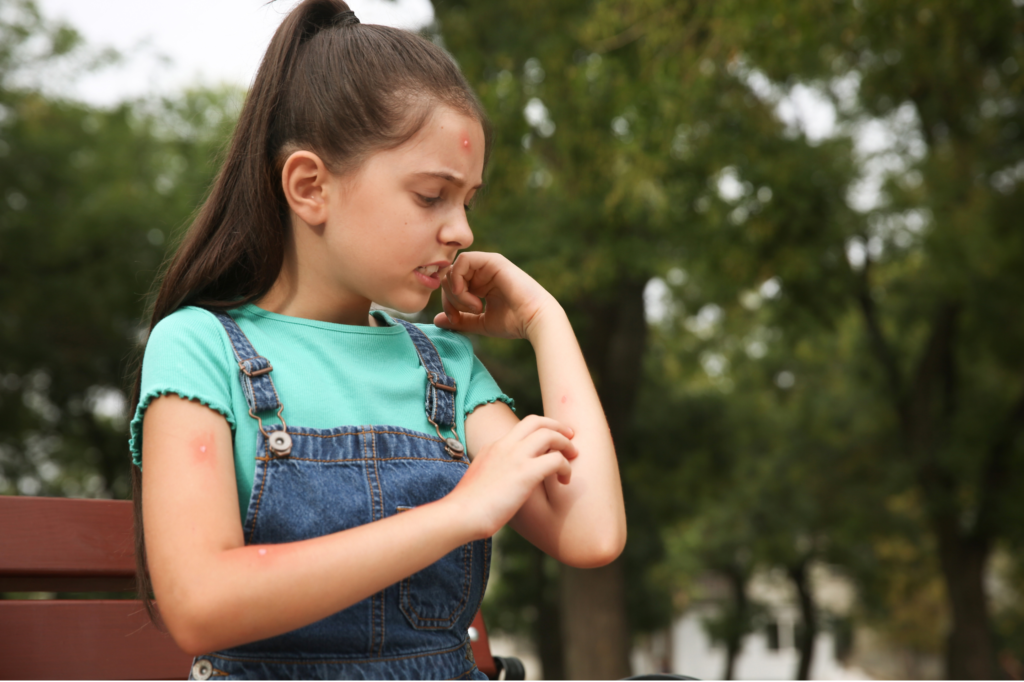
Dengue in Children
Children can also develop dengue.
Parents should watch carefully for:
- Persistent fever
- Poor fluid intake
- Vomiting
- Unusual sleepiness
- Abdominal pain
- Bleeding
- Difficulty breathing
- Reduced urine output
- Sudden worsening after fever decreases
Parents should consult a healthcare professional if dengue is suspected, particularly in infants and young children.
Dengue During Monsoon and Rainy Season
Rainy weather can create more breeding sites for Aedes mosquitoes.
Families can reduce risk by making mosquito control a weekly routine.
Weekly Dengue Prevention Checklist
- Empty standing water.
- Clean coolers.
- Cover water tanks.
- Clean plant trays.
- Dispose of unused containers.
- Check balconies and rooftops.
- Use mosquito protection.
- Keep windows and doors protected where possible.
- Encourage neighbours to maintain clean surroundings.
Community participation is important because mosquitoes do not remain limited to one house.
When Should You Consult a Doctor?
Consult a healthcare professional if you have:
- Sudden high fever
- Severe headache
- Body and joint pain
- Rash
- Persistent vomiting
- Significant weakness
- Symptoms after mosquito exposure in a dengue-prone area
Seek emergency medical care if there is severe abdominal pain, repeated vomiting, bleeding, breathing difficulty, altered consciousness, extreme weakness, or other warning signs of severe dengue.
The Role of a Responsible Homoeopathic Clinic
A professional homoeopathic clinic should focus on patient safety and informed care.
At a trusted homoeopathic care centre, an individualized consultation may consider the patient’s complete health history and symptoms. But suspected dengue requires proper medical evaluation and monitoring.
The goal should always be safe, patient-centered and responsible healthcare rather than promising a cure that has not been scientifically established.
For patients interested in online homoeopathy consultation, the consultation should also include appropriate advice about when laboratory testing, in-person examination, or emergency care is necessary.
Key Takeaways
- Dengue is a viral infection spread mainly by infected Aedes mosquitoes.
- Common symptoms include fever, headache, pain behind the eyes, body pain, nausea, vomiting and rash.
- Severe dengue can become life-threatening, particularly around the time fever begins to settle.
- There is currently no specific antiviral treatment for dengue; supportive care and careful monitoring are essential.
- There is no reliable evidence that homoeopathy can prevent or cure dengue. It should not replace testing, medical monitoring or emergency care.
- The best dengue prevention approach is mosquito-bite protection and elimination of mosquito breeding sites.