
Introduction
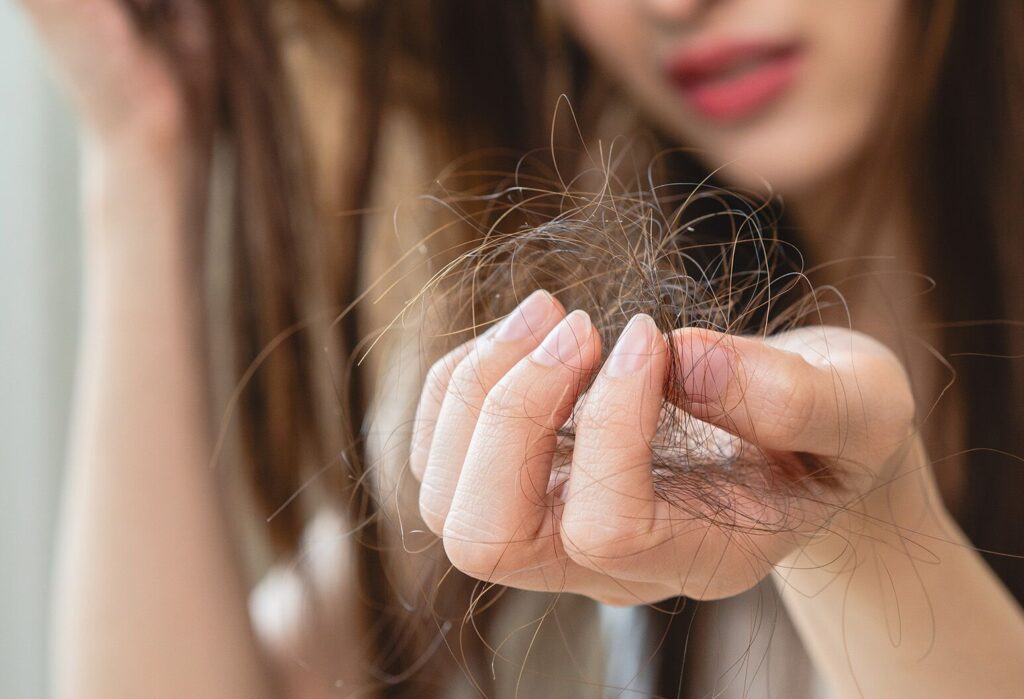
Hair loss, also known as alopecia, is a common condition affecting both men and women. It can occur due to illness, hormonal imbalance, stress, or genetic factors. While losing around 100 hairs daily is normal, excessive hair fall can impact confidence and emotional well-being.
In modern healthcare, many treatments offer limited results. However, homoeopathy focuses on treating the root cause of hair loss through a safe, natural, and individualized approach—making it a trusted choice for many patients.
Understanding Hair Loss (Alopecia)
Hair loss refers to partial or complete loss of hair from the scalp or body. It usually develops gradually and may vary in severity.
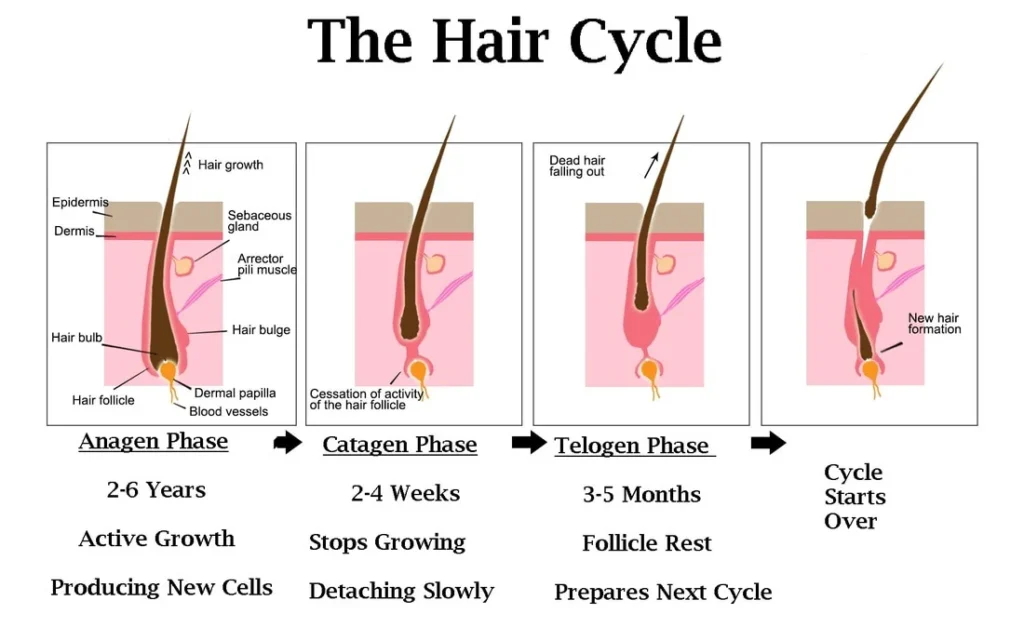
Normal Hair Growth Cycle
- Average scalp has 100,000 hairs
- Each hair grows for about 4–5 years
- Hair grows about ½ inch per month
- After falling, new hair grows within 6 months
Types of Hair Loss
1. Non-Scarring Alopecia
This is the most common type where hair loss occurs without permanent damage.
Includes:
- Androgenic Alopecia (Pattern Baldness)
- Common in men and women
- Receding hairline or thinning crown
- Telogen Effluvium
- Diffuse hair fall due to:
- Stress
- Pregnancy
- Hormonal changes
- Diffuse hair fall due to:
- Anagen Effluvium
- Rapid hair loss (e.g., chemotherapy)
- Alopecia Areata
- Sudden patchy hair loss
- Often linked to autoimmune conditions
2. Scarring Alopecia
- Permanent hair loss due to destruction of hair follicles
- Causes include:
- Infections
- Autoimmune diseases
- Skin disorders
Causes of Hair Loss
Hair loss can occur due to multiple reasons:
Common Causes
- Genetic predisposition
- Hormonal imbalance (thyroid, menopause)
- Nutritional deficiency (iron, zinc, vitamins)
- Stress and emotional trauma
- Autoimmune diseases (lupus, vitiligo)
- Medications (blood pressure, cholesterol drugs)
- Excessive hair treatments and chemicals
Psychological Impact of Hair Loss
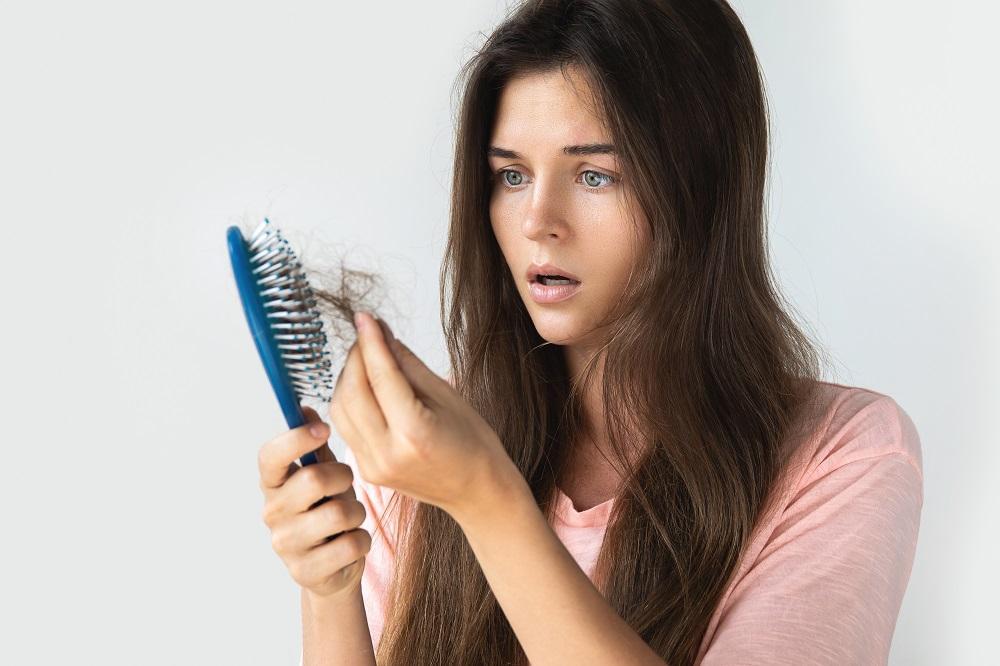
Hair loss is not life-threatening but can affect mental health.
Effects include:
- Low self-esteem
- Anxiety and stress
- Social withdrawal
- Negative body image
Even children may suffer emotionally, making early and holistic care essential.
Diagnosis of Hair Loss
Proper diagnosis is important before treatment.
Common tests:
- Blood tests (iron, thyroid, liver function)
- Hormonal evaluation
- Microscopic hair analysis
- Medical history review
Conventional Treatment Options
- Minoxidil, Finasteride, Dutasteride
- Corticosteroid injections
- Hair transplant (FUE method)
⚠️ These treatments may have limitations or side effects.
Homoeopathic Treatment for Hair Loss
Why Choose Homoeopathy?
Homoeopathy treats the individual as a whole rather than just symptoms.
Benefits:
- Safe and natural
- No side effects
- Treats root cause
- Improves overall health
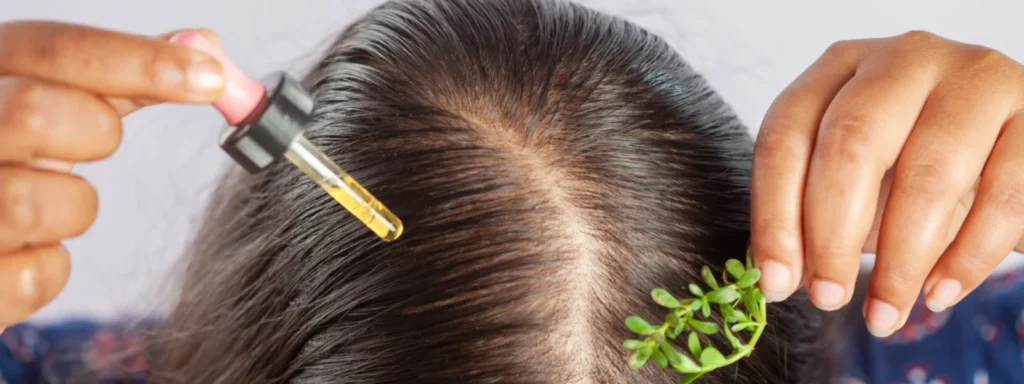
Common Homoeopathic Remedies for Hair Loss
(Note: Always consult a qualified homoeopathic doctor)
Remedies Based on Cause
- Thuja – dandruff-related hair fall
- Phosphorus – hair fall in bunches
- Acid Phos – hair loss due to stress or grief
- Natrum Mur – hair fall after pregnancy
- Sepia – hormonal hair loss
- Lycopodium – female pattern baldness (PCOD)
- Arsenicum Album – patchy hair loss with anxiety
- Sulphur – scalp itching with hair fall
Homoeopathic Approach
- Individualized treatment
- Based on:
- Symptoms
- Emotional state
- Medical history
Prevention Tips for Hair Loss
Healthy Hair Care Practices
- Use mild shampoo twice a week
- Avoid harsh chemicals
- Limit heat styling
- Use a wide-tooth comb
Lifestyle Tips
- Eat a balanced diet
- Manage stress
- Avoid tight hairstyles
- Protect hair from sun damage
Key Takeaways
- Hair loss is common but manageable with proper diagnosis.
- Causes include genetics, hormones, stress, and nutrition.
- Homoeopathy offers a safe, natural, and holistic solution.
- Treatment is individualized for better long-term results.
- Early intervention improves outcomes and confidence.