
Introduction
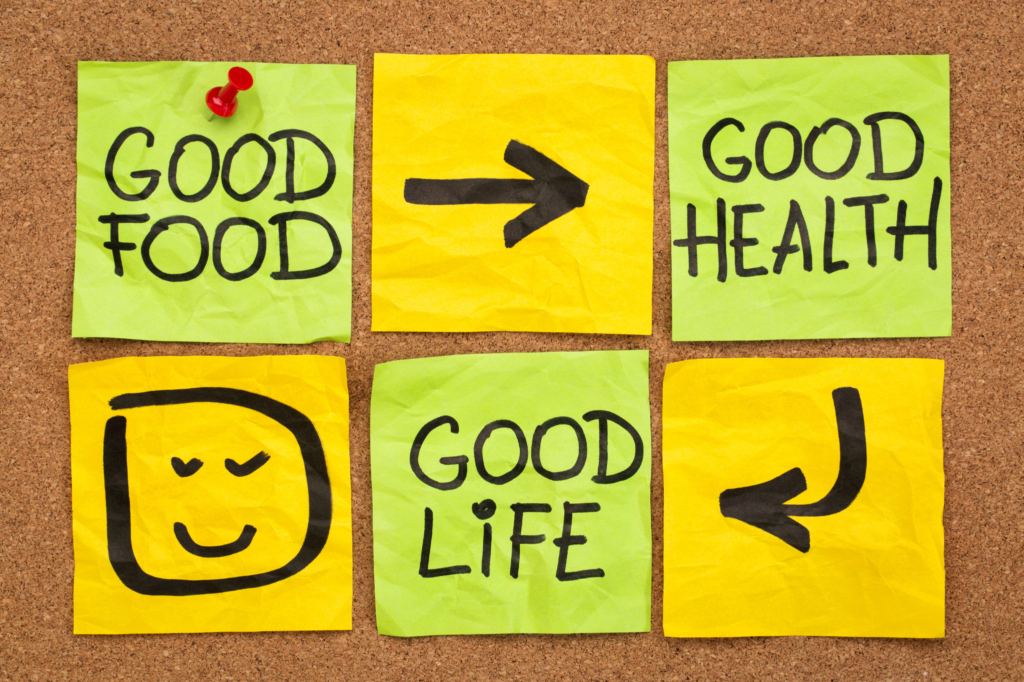
Have you ever noticed that your mood affects what you eat—and what you eat affects how you feel? This is known as the “Good Food, Good Mood” concept. Food cravings are not just about hunger; they are often linked to emotions, stress, and mental health. Homoeopathy offers a holistic healing approach that connects food habits, emotional well-being, and overall health. This blog explains how homoeopathic treatment helps manage emotional eating and improves both mind and body balance.
What Are Food Cravings?
Food cravings are strong urges to eat specific foods, often linked to emotional or physical needs.
Common Reasons for Cravings
- Nutritional deficiencies
- Hormonal changes
- Emotional stress
- Habitual eating patterns
Understanding cravings helps in building patient-centered care in homoeopathy and natural healthcare solutions.
Emotional Eating and Its Impact
Emotional eating means eating to manage feelings rather than hunger.
Triggers of Emotional Eating
- Stress and anxiety
- Depression and loneliness
- Anger and frustration
- Happiness or celebration
Effects on Health
- Overeating and weight gain
- Poor digestion
- Low energy levels
- Mental imbalance
Managing this behavior improves homoeopathy credibility and strengthens homoeopathic trust.
The Food-Mood Connection
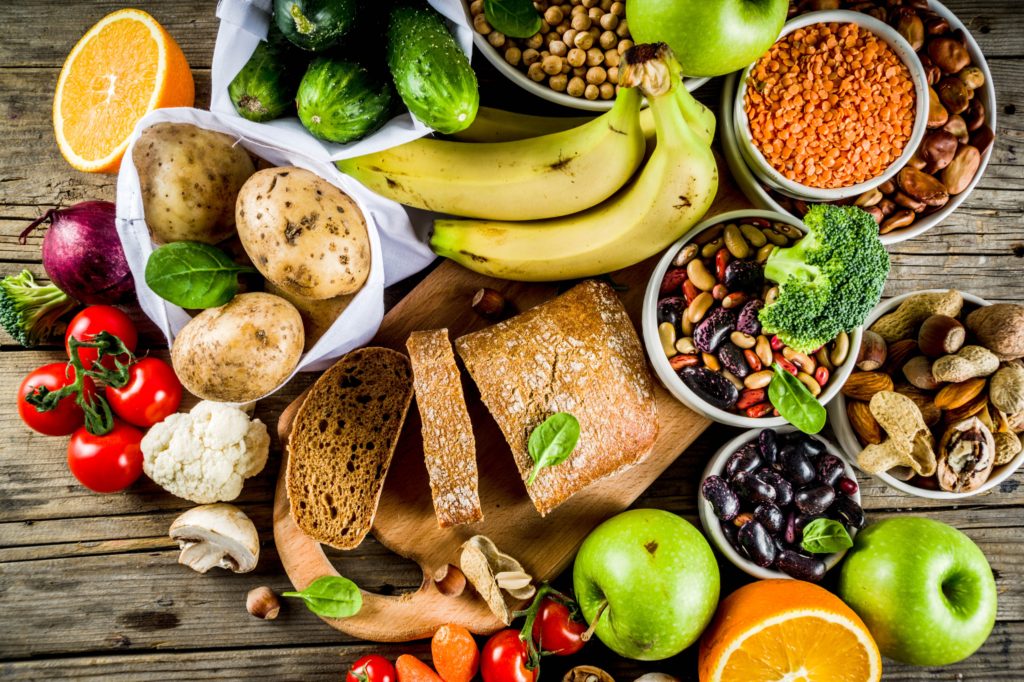
Food and mood are closely linked.
How Food Affects Mood
- Carbohydrates increase serotonin (happy hormone)
- Sugary and fatty foods give temporary comfort
- Nutrient-rich foods improve mental health
How Mood Affects Food Choices
- Stress increases craving for junk food
- Sadness leads to comfort eating
- Happiness may increase appetite
This relationship supports holistic health care and homoeopathy healthcare.
Role of Serotonin in Mood and Cravings
Serotonin is a brain chemical responsible for mood stability.
Key Points
- Low serotonin leads to sadness and cravings
- Carbohydrates help increase serotonin levels
- Balanced diet supports emotional well-being
This highlights the importance of natural medicine trust and holistic healing methods.
Types of Eating Behaviour
Social Eating
- Eating in groups
- Influenced by others
Emotional Eating
- Eating to cope with feelings
- Linked with stress and past experiences
Situational Eating
- Eating due to environment (restaurants, ads)
Understanding these patterns helps in homoeopathy awareness and better treatment.
Psychological Effects of Food
Food impacts both body and mind.
Key Observations
- Favorite foods trigger positive emotions
- Negative emotions lead to unhealthy choices
- Past experiences influence food habits
This supports evidence-based homoeopathy and patient trust in homoeopathy.

Homoeopathic Approach to Food and Mood
Homoeopathy treats the individual as a whole, not just symptoms.
Core Principles
- Individualized homoeopathic treatment
- Focus on mental and emotional health
- Treat root cause of cravings
Benefits
- Reduces emotional eating
- Improves mood balance
- Enhances overall health
This ensures trusted homoeopathy care and reliable homoeopathy treatment.
Homoeopathic Perspective on Cravings
In homoeopathy, cravings are important symptoms.
Why Cravings Matter
- Indicate internal imbalance
- Help in remedy selection
- Reflect emotional state
This approach strengthens authentic homoeopathy services and professional homoeopathy practice.
Lifestyle Tips for Good Food and Good Mood
Healthy Eating Habits
- Eat balanced and nutritious meals
- Avoid excessive sugar and junk food
- Stay hydrated
Emotional Wellness Tips
- Practice meditation and relaxation
- Express emotions openly
- Maintain social connections
Daily Routine
- Regular sleep
- Physical activity
- Mindful eating
These habits support global homoeopathy trust and long-term wellness.
Role of Homoeopathy in Emotional Well-being
Homoeopathy helps manage emotional disturbances effectively.
Benefits
- Improves mental clarity
- Reduces stress and anxiety
- Balances emotional responses
This promotes ethical homoeopathy practice and quality homoeopathic care.
Key Takeaways
- Food and mood are closely connected
- Emotional eating affects physical and mental health
- Homoeopathy offers holistic and individualized care
- Cravings help understand internal imbalance
- Healthy lifestyle improves overall well-being