Introduction
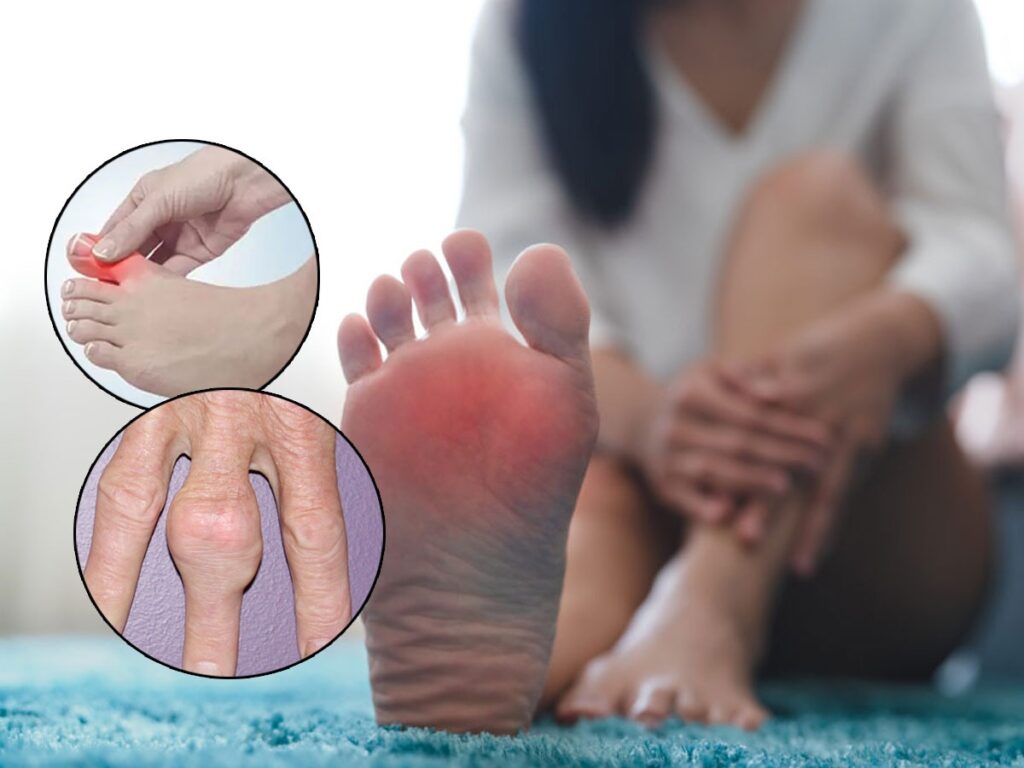
Gout is a painful form of arthritis caused by high uric acid levels in the body. It leads to sudden joint pain, swelling, and discomfort, often affecting the big toe. While conventional treatment helps control symptoms, homoeopathy offers a holistic healing approach that focuses on the root cause and overall well-being. This blog explains gout in simple terms and highlights how homoeopathic treatment can support long-term relief.
What is Gout?
Gout is an inflammatory condition caused by the deposition of uric acid crystals in joints.
Key Points
- Common in men and postmenopausal women
- Caused by high serum uric acid levels
- Affects joints like the big toe, knee, and ankle
This condition requires patient-centered care in homoeopathy and natural healthcare solutions.
Epidemiology of Gout
- More common in men than women
- Risk increases with age and obesity
- Linked with metabolic syndrome and kidney disease
- Family history increases risk
Understanding these factors helps build homoeopathic trust and improve prevention strategies.
Causes of Gout (Hyperuricemia)
1. Reduced Uric Acid Excretion
- Kidney problems
- Alcohol consumption
- Certain medications (diuretics)
2. Increased Uric Acid Production
- High purine intake
- Genetic disorders
- Chemotherapy-related conditions
3. Lifestyle Factors
- Red meat and seafood consumption
- Alcohol intake (especially beer)
- Sedentary lifestyle
Managing these causes supports holistic health care and homoeopathy healthcare.
Symptoms of Gout
Acute Gout Attack
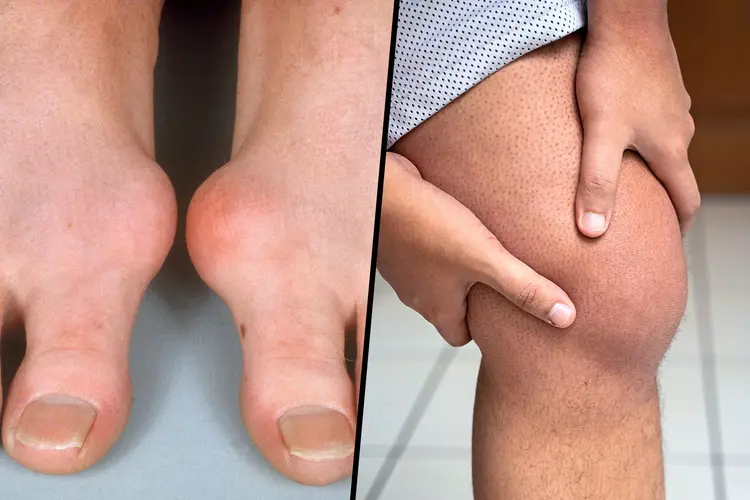
- Sudden severe joint pain
- Swelling and redness
- Extreme tenderness
- Often occurs at night
Chronic Gout
- Formation of tophi (crystal deposits)
- Joint deformity
- Long-term pain and stiffness
These symptoms require individualized homoeopathic treatment for effective relief.
Diagnosis of Gout
Doctors diagnose gout through:
- Joint fluid analysis
- Serum uric acid test
- Imaging (X-ray)
- Blood tests (ESR, CRP)
This ensures evidence-based homoeopathy can be used alongside medical care.
Conventional Management
- Medications to reduce pain and uric acid
- Dietary control
- Lifestyle changes
However, long-term success depends on trusted homoeopathy care and lifestyle balance.
Role of Homoeopathy in Gout
Homoeopathy focuses on treating the individual and restoring balance in the body.
Benefits of Homoeopathy
- Promotes safe homoeopathic remedies
- Addresses root cause
- Reduces recurrence
- Improves overall health
This strengthens homoeopathy credibility and global homoeopathy trust.

Common Homoeopathic Remedies for Gout
Colchicum Autumnale
- Severe pain in big toe
- Sensitivity to touch
- Nausea with joint pain
Ledum Palustre
- Pain starts in feet and moves upward
- Better with cold application
Urtica Urens
- Helps remove excess uric acid
- Useful in chronic gout
Benzoic Acid
- Dark, strong-smelling urine
- Joint stiffness and swelling
Lycopodium Clavatum
- Chronic gout with digestive issues
- Symptoms worse in evening
Sulphur
- Burning pain in joints
- Better with cold applications
Rhus Toxicodendron
- Stiffness relieved by movement
- Worse after rest
These remedies provide authentic homoeopathy services and ensure quality homoeopathic care.
Lifestyle and Dietary Management
Dietary Tips
- Avoid red meat and seafood
- Reduce alcohol intake
- Drink plenty of water
- Eat fruits and vegetables
Lifestyle Changes
- Maintain healthy weight
- Exercise regularly
- Avoid sedentary habits
These habits support natural medicine trust and holistic healing methods.
Prevention of Gout
- Control uric acid levels
- Follow healthy diet
- Stay hydrated
- Manage stress
Prevention strengthens patient trust in homoeopathy and long-term results
Key Takeaways
- Gout is caused by high uric acid levels
- Symptoms include severe joint pain and swelling
- Homoeopathy offers holistic and individualized care
- Lifestyle changes are essential for prevention
- Safe remedies help build homoeopathic trust