Introduction
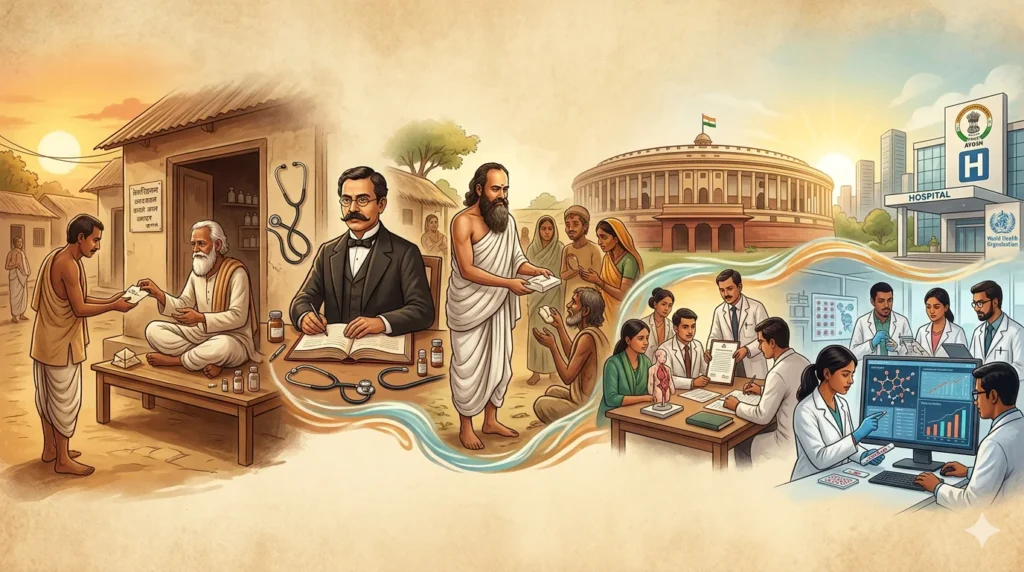
Homoeopathy has come a long way from simple paper pouches, popularly known as “davayi ki puriya”, to becoming a globally recognised system of medicine. On World Homoeopathy Day 2026, experts reflect on its remarkable journey, its growing trust among patients, and its future in improving healthcare standards. Today, homoeopathic trust has evolved into a strong foundation for safe, gentle, and holistic healing.
The Humble Beginnings – From ‘Puriya’ to Modern Practice
In earlier times, homoeopathic medicines were dispensed in small paper packets. This limited the dosage and required frequent visits to clinics.
Key Characteristics of Early Practice:
- Medicines given in paper pouches (puriya)
- Limited dosage capacity
- Frequent patient visits for refills
- Minimal standardisation
Over time, advancements in homoeopathy treatment, homoeopathic pharmacy, and homoeopathy healthcare services improved patient convenience.
A Revolutionary German Origin – Science Behind Homoeopathy
Homoeopathy originated in Germany as a logical and scientific approach to medicine.
Core Principles:
- Law of Similars – “Like cures like”
- Testing medicines on healthy individuals
- Observing symptom patterns for treatment
This method laid the foundation for evidence-based homoeopathy and strengthened homoeopathy credibility worldwide.

Growth of Homoeopathy in India – Royal Support to Public Trust
Homoeopathy gained popularity in India during the 19th century.
Major Contributors:
- Raja Ranjit Singh’s royal court
- Dr. Mahendra Lal Sarkar (converted from allopathy)
- Pandit Ishwarchandra Vidyasagar (social reformer)
Impact:
- Increased public trust in homoeopathy
- Expansion of homoeopathy clinics in India
- Promotion of affordable homoeopathy care
Policy Support – Building a Strong Homoeopathic System
Government recognition played a crucial role in strengthening homoeopathy trust in India.
Key Milestones:
- Drugs and Cosmetics Act (1930s–40s)
- Central Council of Homoeopathy Act (1973)
- Inclusion in AYUSH
- National Commission for Homoeopathy Act (2020)
Benefits:
- Standardised education
- Improved homoeopathy regulation
- Enhanced homoeopathy professional standards
Global Recognition – A Trusted Healing System
Homoeopathy is now one of the most widely used alternative systems globally.
Why Patients Trust Homoeopathy:
- Safe and gentle treatment
- Minimal side effects
- Focus on root cause healing
- Reduced recurrence of diseases
Common Applications:
This has strengthened global homoeopathy trust and increased demand for certified homoeopathic doctors.

The Road Ahead – Strengthening Science and Awareness
Despite its growth, homoeopathy still faces challenges.
Areas for Improvement:
- Stronger clinical research
- Better homoeopathy awareness campaigns
- Increased funding for studies
- Reducing bias in medical publications
Future Opportunities:
- Expansion of integrative healthcare systems
- Digitalization of homoeopathy consultation services
- Growth in homoeopathy research institutes
India has the potential to lead as a global hub for homoeopathy excellence.
Role of Homoeopathic Trust in Modern Healthcare
A homoeopathic trust plays a crucial role in delivering reliable and ethical healthcare.
Functions of a Homoeopathic Trust:
- Providing affordable homoeopathy treatment
- Promoting ethical medical practices
- Supporting research and education
- Building patient confidence
Why Trust Matters:
- Ensures quality treatment
- Builds long-term patient relationships
- Strengthens homoeopathy patient trust
- Encourages wider adoption
Key Takeaways
- Homoeopathy has evolved from simple paper pouches to a globally trusted system.
- India plays a major role in promoting and regulating homoeopathy.
- Government policies have strengthened homoeopathy trust and standards.
- Patients prefer homoeopathy due to its safety and holistic approach.
- Future growth depends on research, awareness, and global collaboration.